
Health Monitoring
Monitoring your health regularly is easier than ever with modern and accurate measurement devices. Health monitoring tools provide valuable information about your body's state, help detect changes early, and support a healthy lifestyle. Whether it's controlling blood pressure, weight management, or measuring a child's fever, high-quality and clinically tested devices bring peace of mind and reliability to home use.
Which health monitoring devices should you get?
Our selection includes the most essential tools to support your wellbeing:
- Blood Pressure Monitors: Easy-to-use upper arm and wrist monitors store measurement results in memory, making long-term monitoring simple.
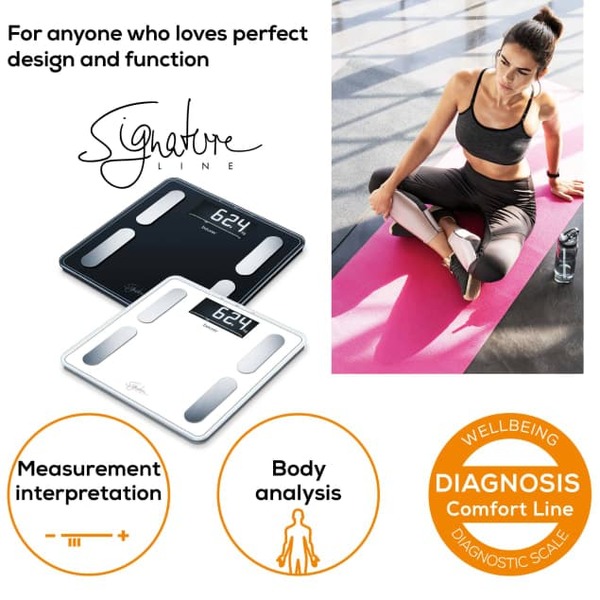
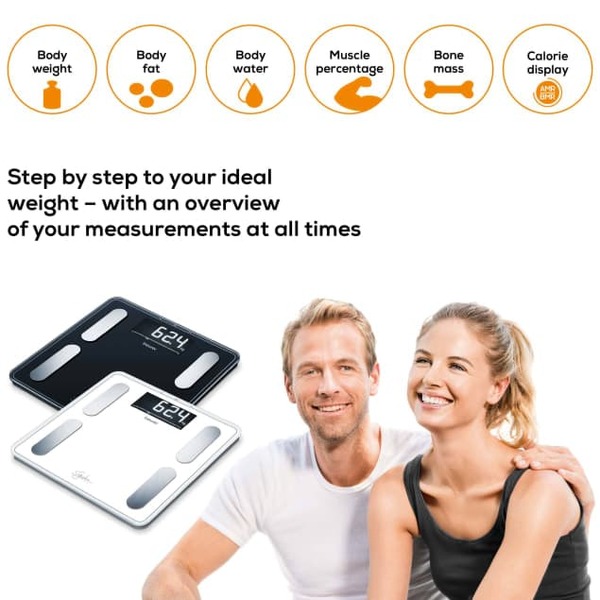
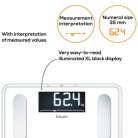
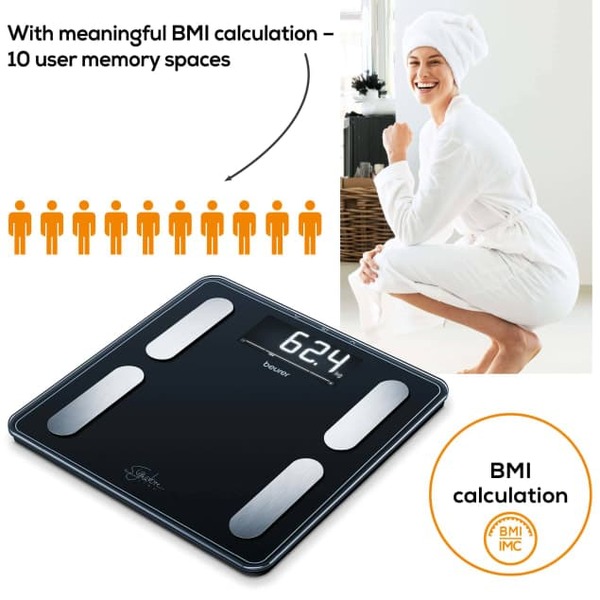
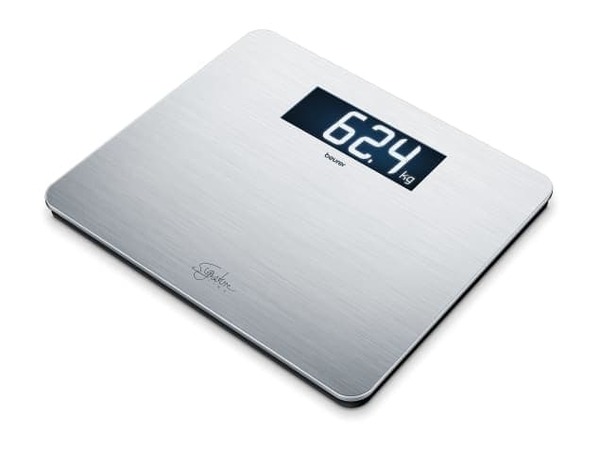
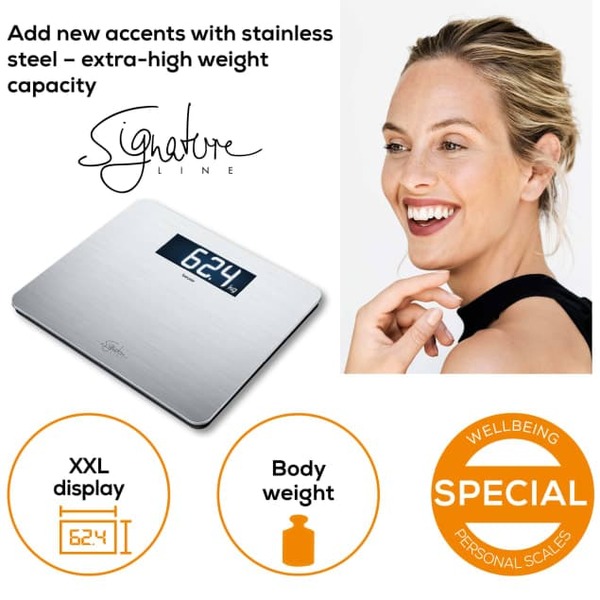
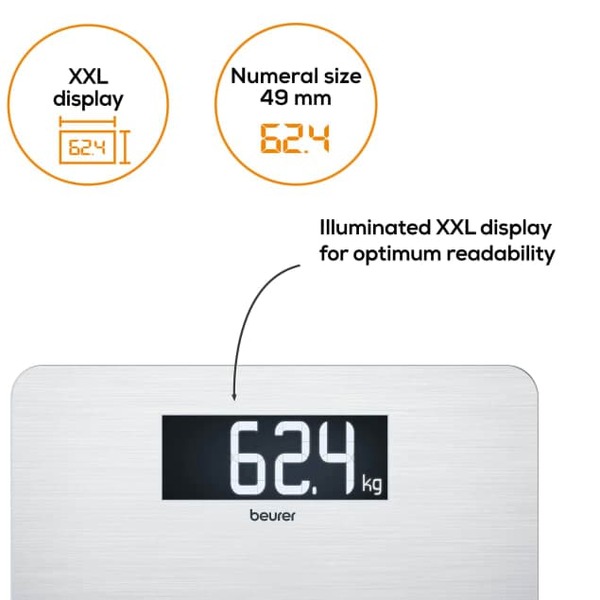
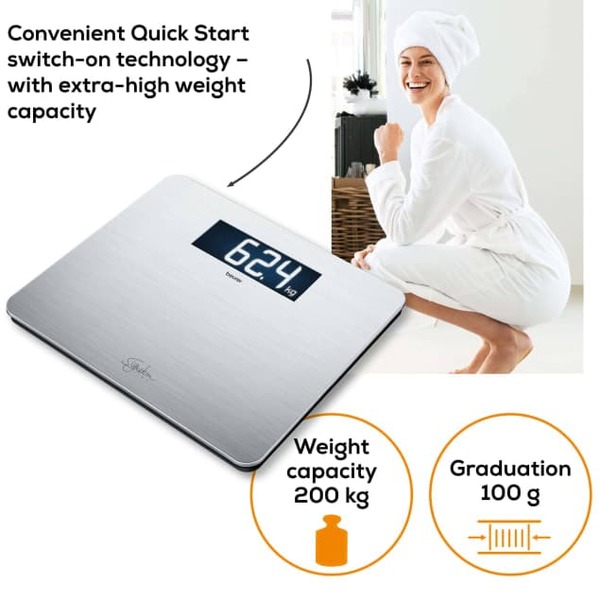
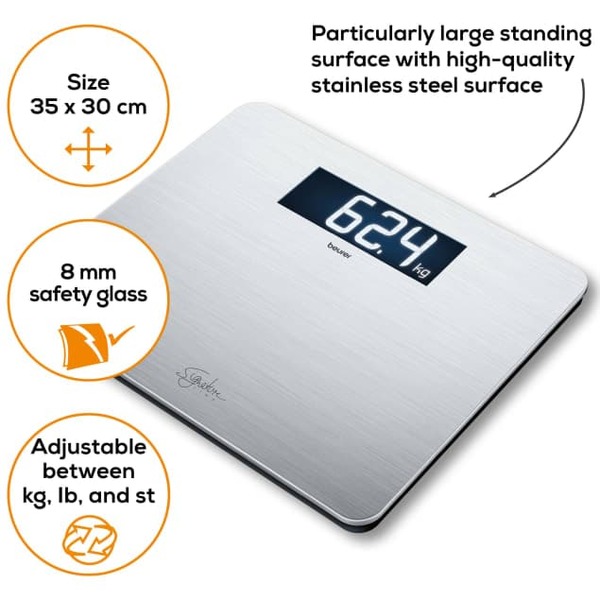
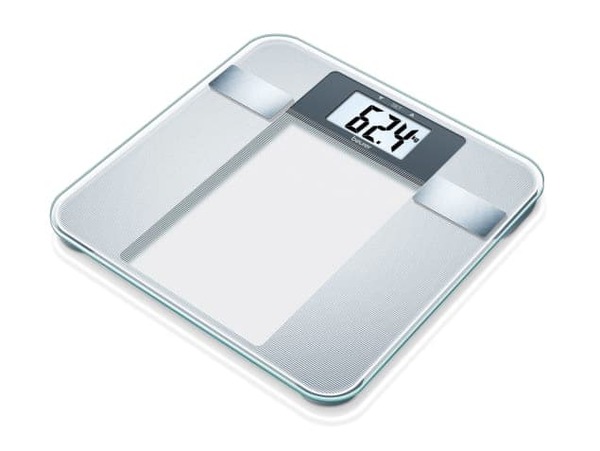
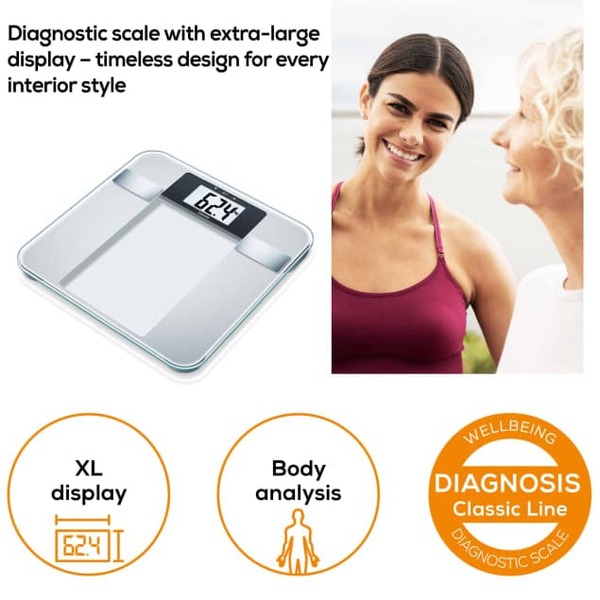
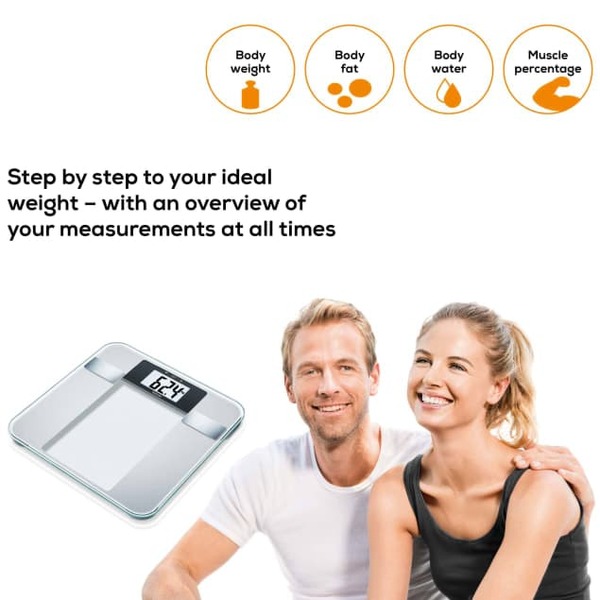
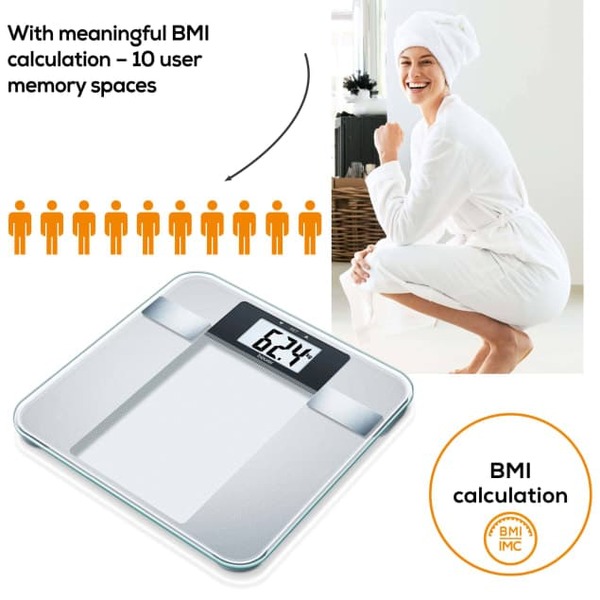
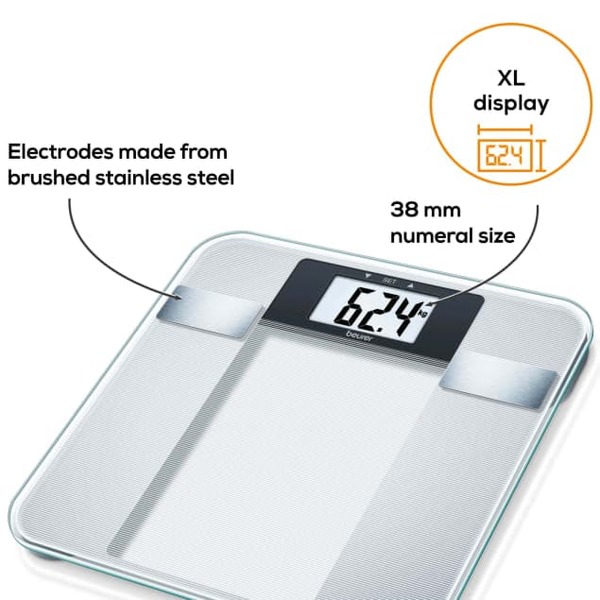
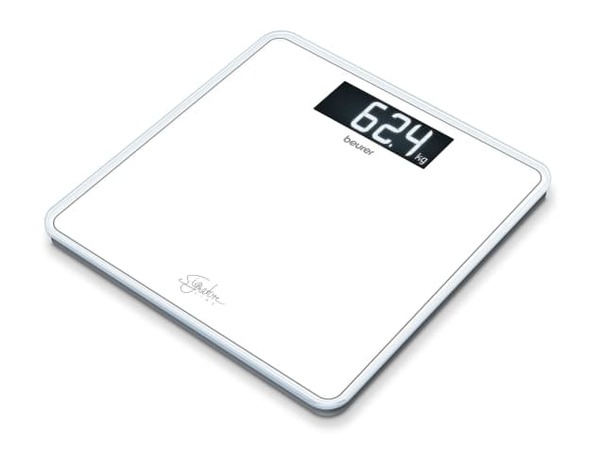
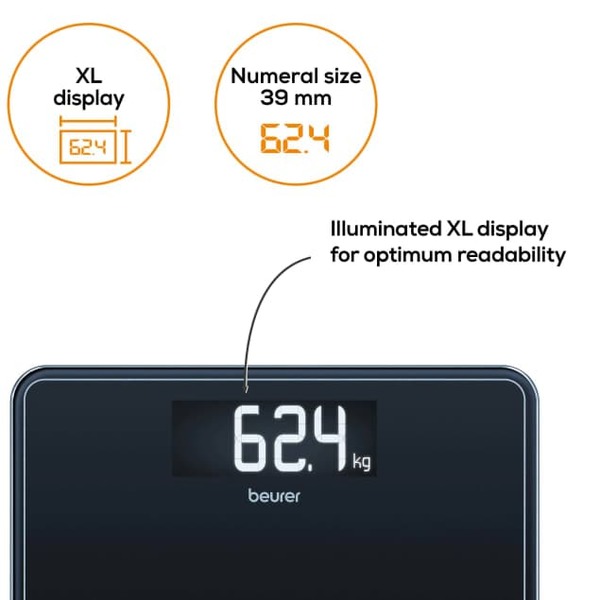
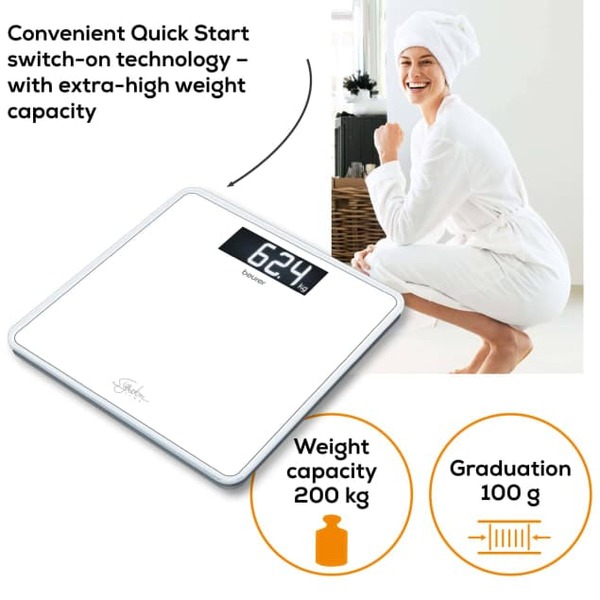
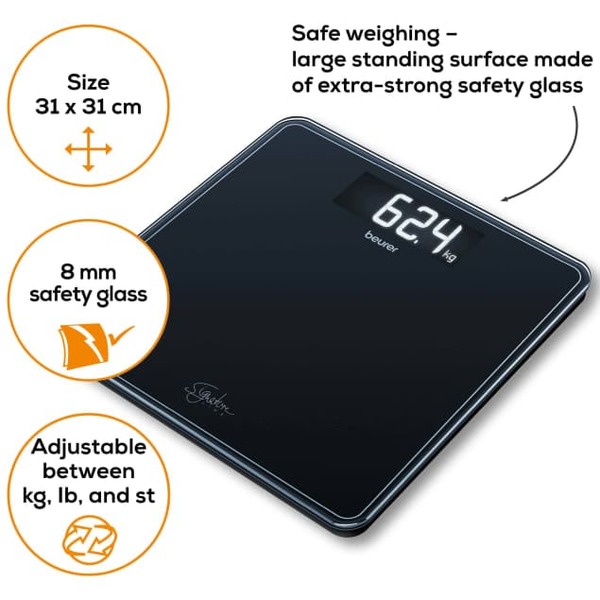
- Bathroom Scales: Choose from traditional scales or smart scales that analyze not only weight but also body composition, such as body fat percentage, muscle mass, and water balance.
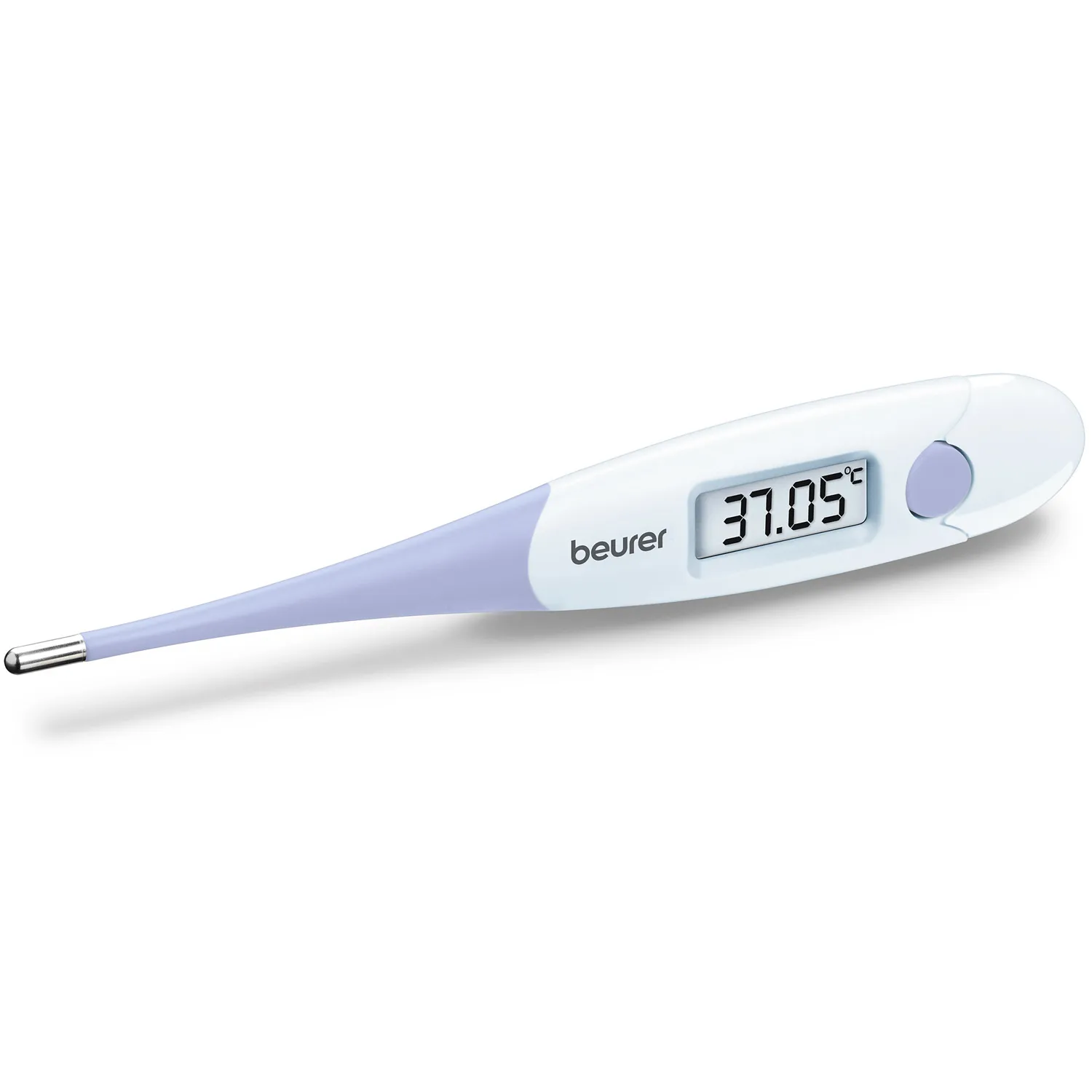
- Thermometers: Modern forehead and ear thermometers provide accurate results in seconds without skin contact, making them ideal especially for families with children.
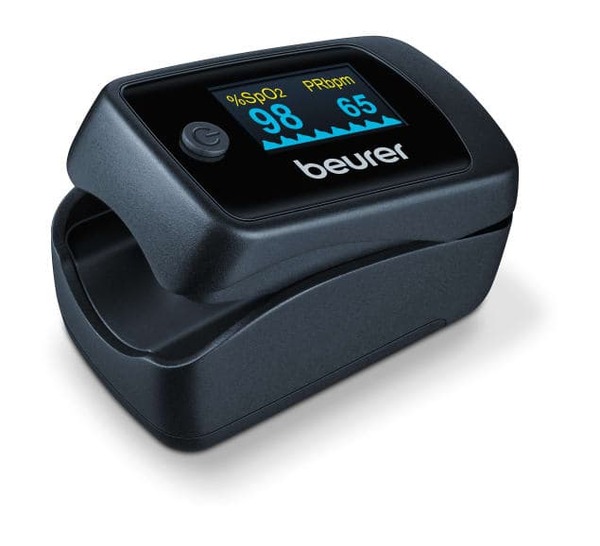
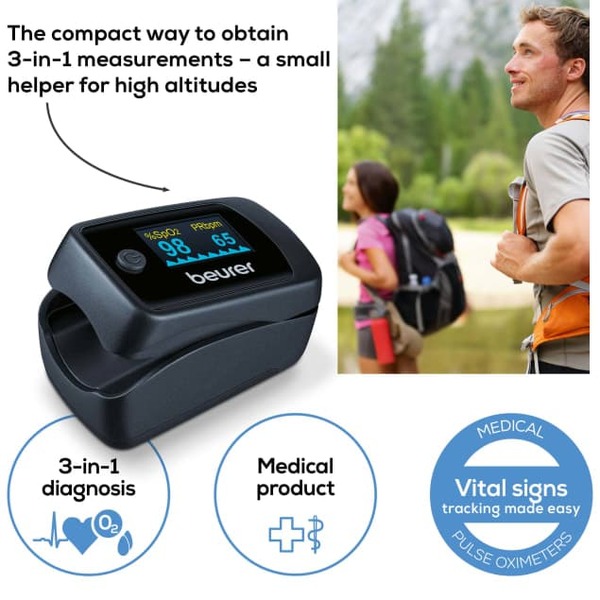
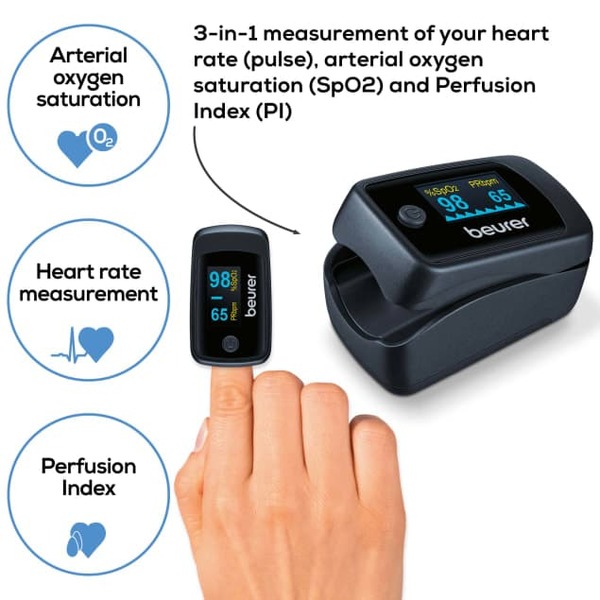
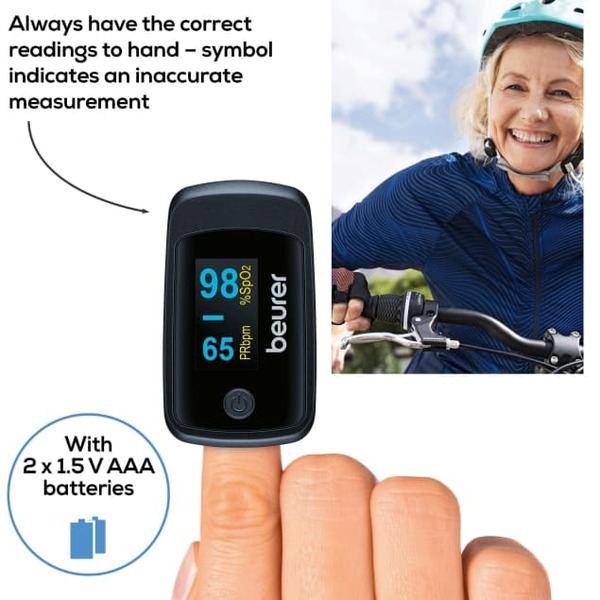
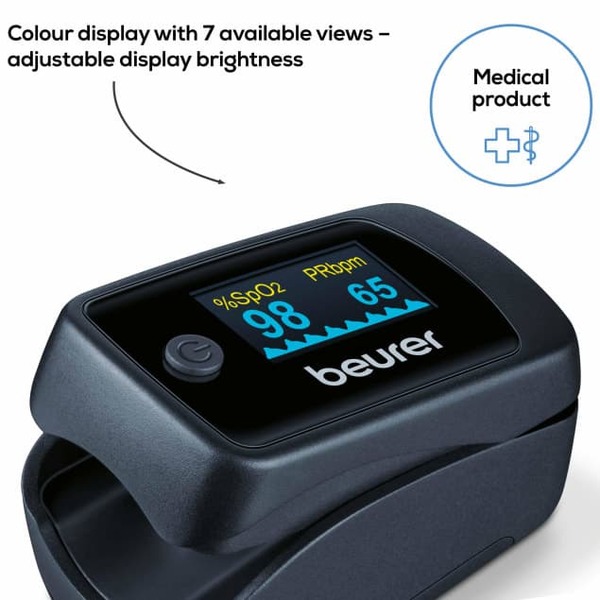
- Pulse Oximeters: Small and convenient devices that quickly measure blood oxygen saturation and heart rate from your fingertip.
Frequently Asked Questions (FAQ)
How do I ensure the accuracy of blood pressure measurement at home?
Rest for at least five minutes before the measurement. Sit with your back supported, feet flat on the floor, and keep the cuff at heart level. Avoid talking or moving during the measurement. It is recommended to take two readings a few minutes apart and calculate their average.
What are the benefits of body composition analysis on a smart scale?
Weight alone does not tell the whole story about your health. Body composition analysis helps you understand whether weight change is due to fat or muscle mass. This is particularly useful for athletes and those making lifestyle changes who want to track their progress more accurately.
Why might an ear thermometer give a different result than a forehead thermometer?
Different measurement methods measure heat from different parts of the body. An ear thermometer measures the temperature of the eardrum, which reflects the body's core temperature well, while a forehead thermometer measures the temperature of blood vessels from the skin. It is important to track changes using the same method for the best comparability.
Do home monitoring devices need calibration?
Most home devices are designed to maintain their accuracy for years under normal use. However, it is recommended to have blood pressure monitors checked or replaced every 2–3 years to ensure accuracy, especially if they are used to support medical monitoring.