
Vacuum Sealing
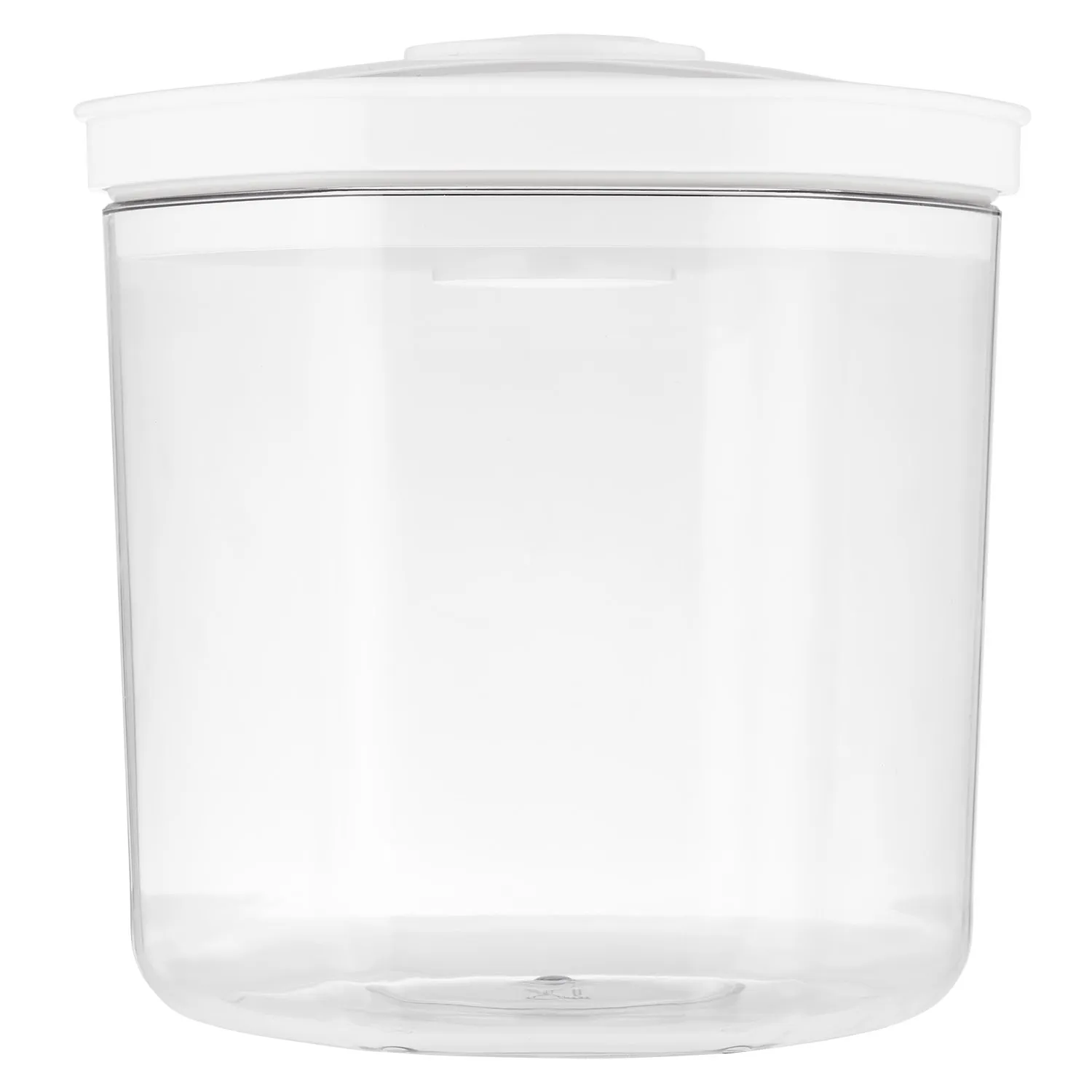
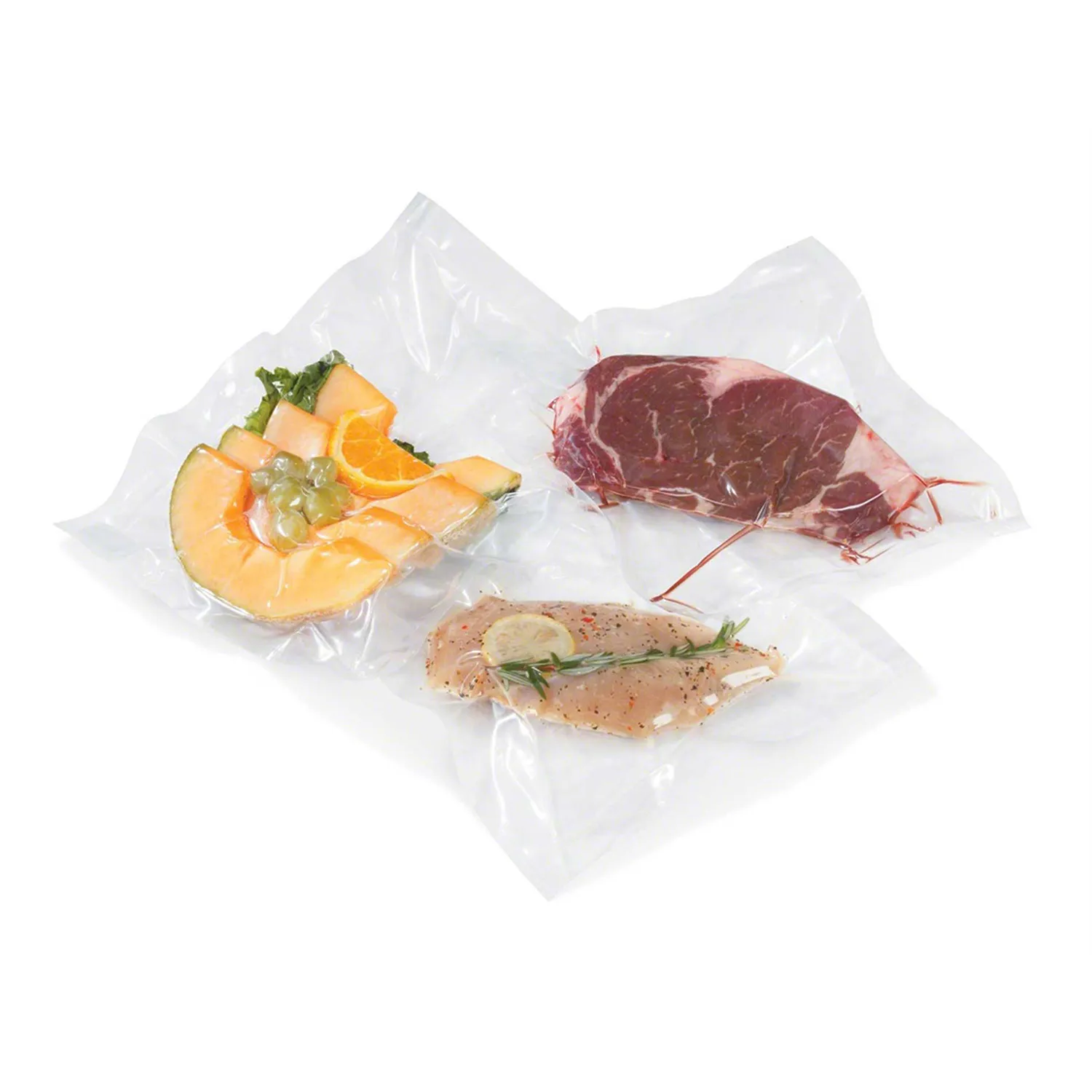
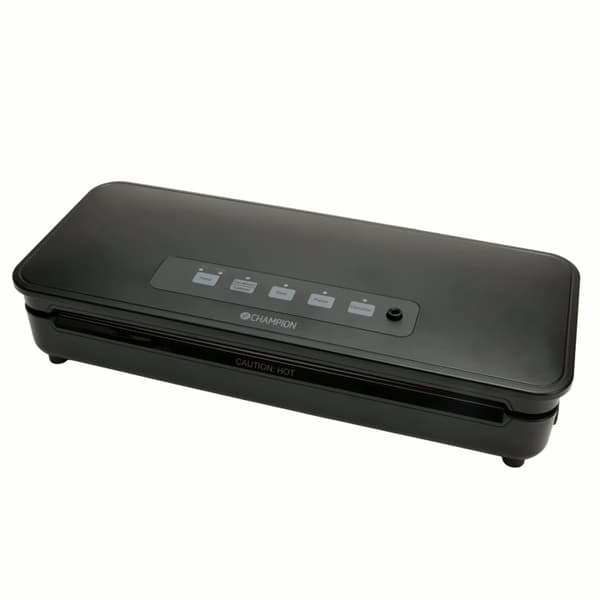
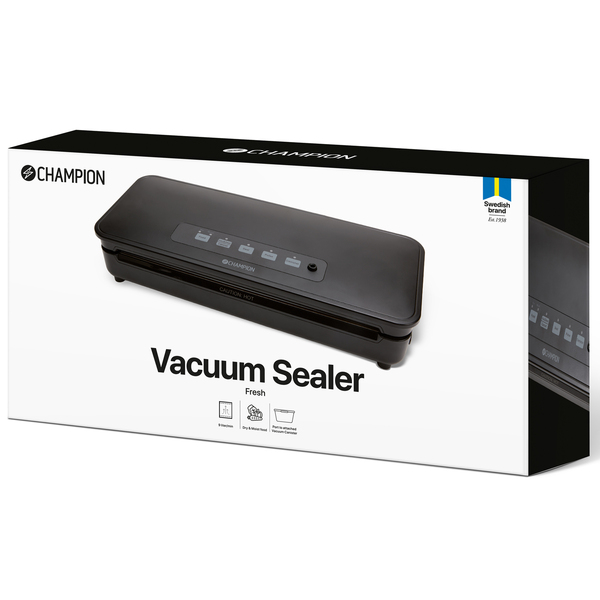
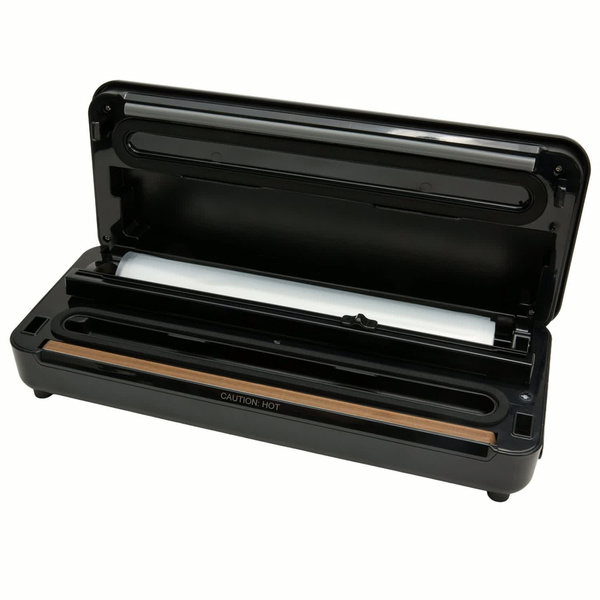
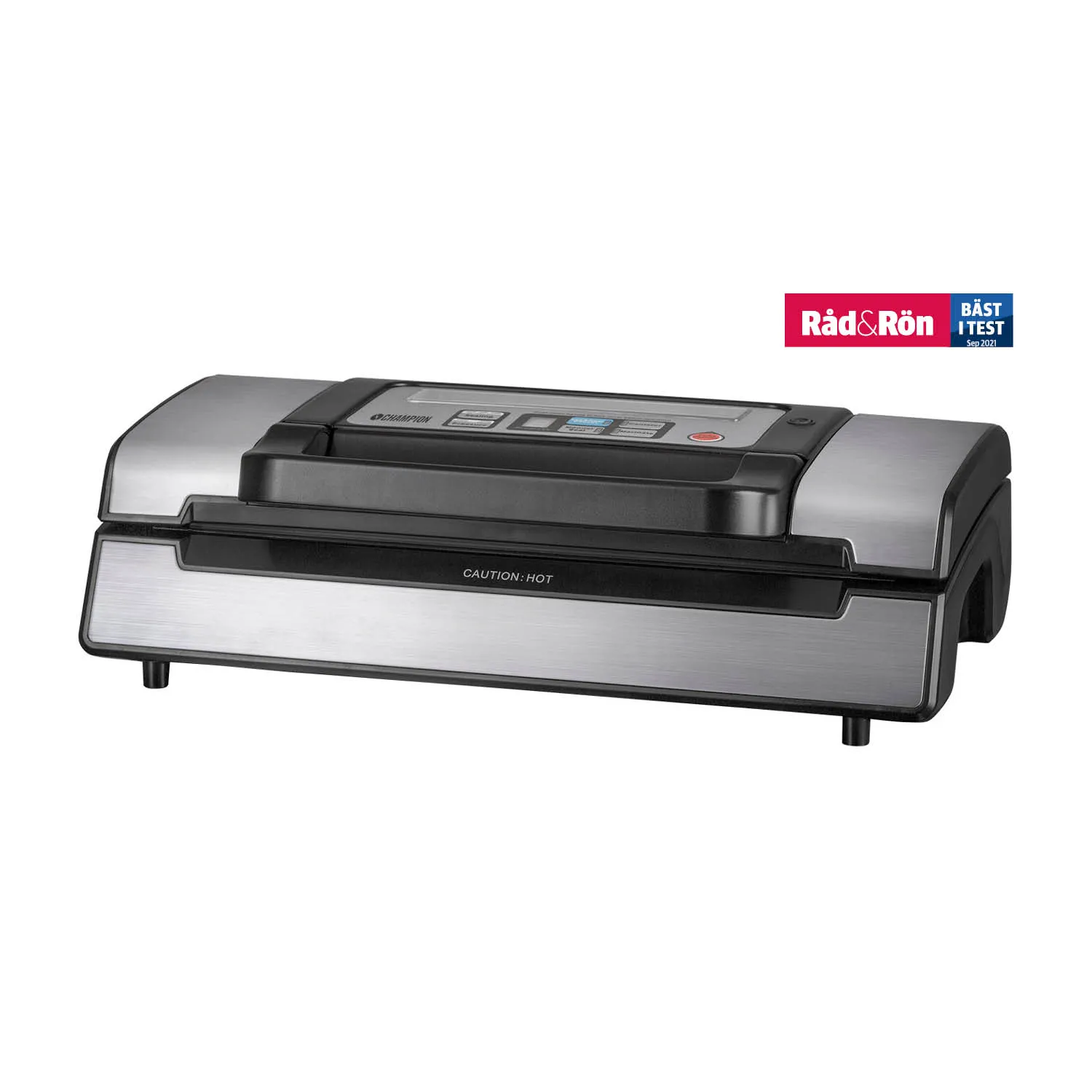
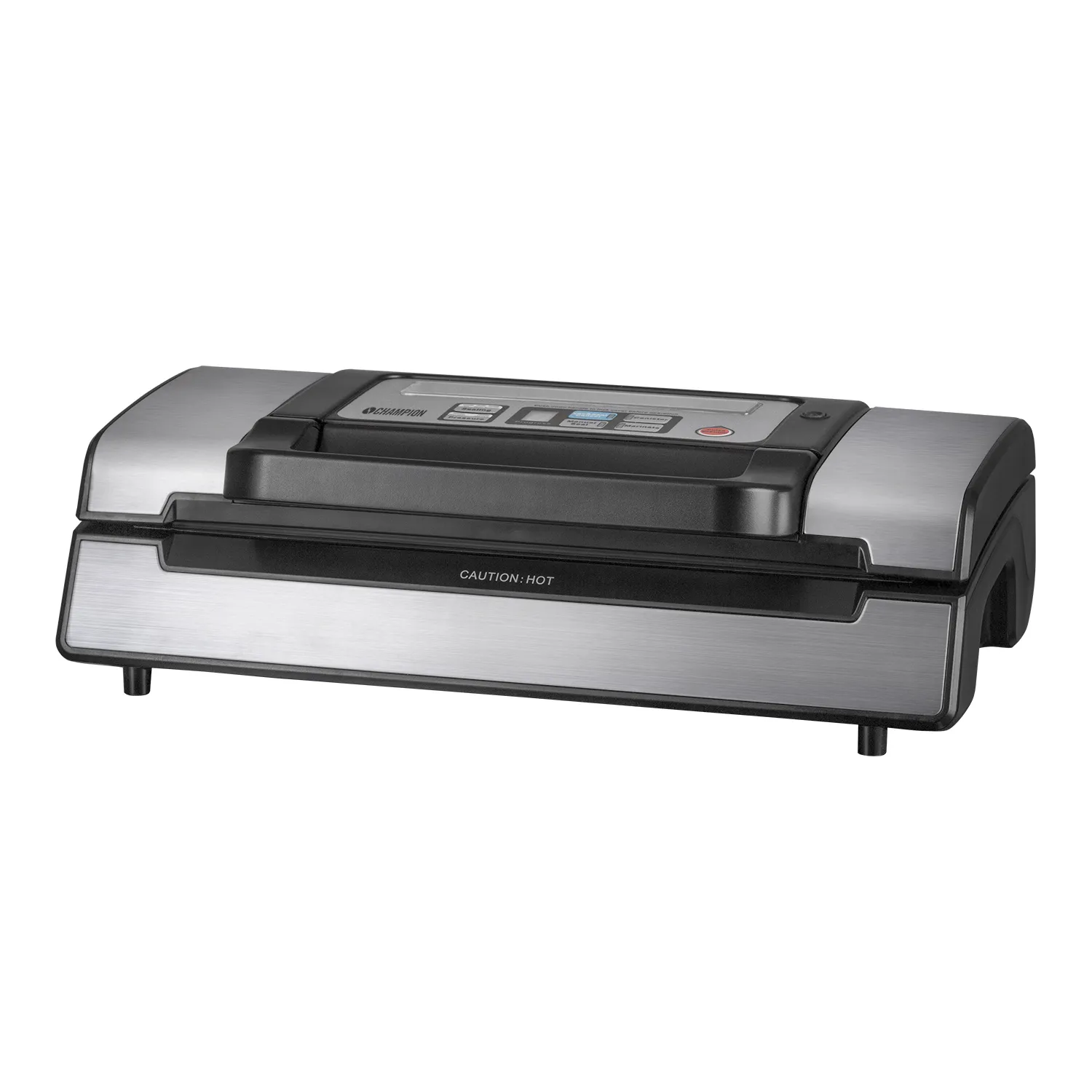
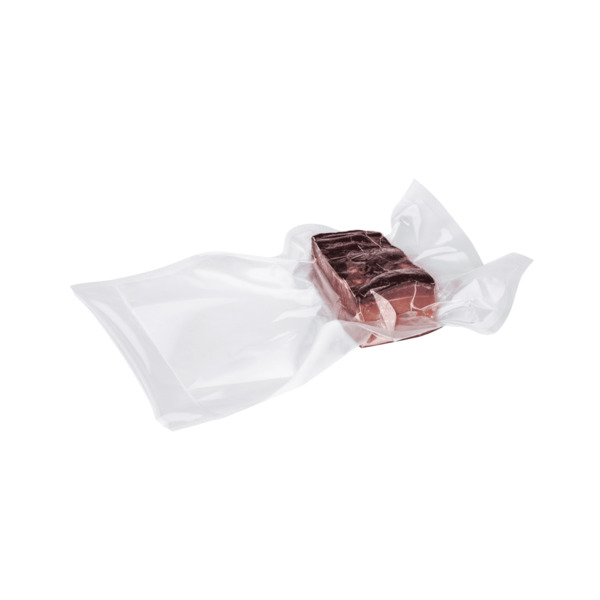
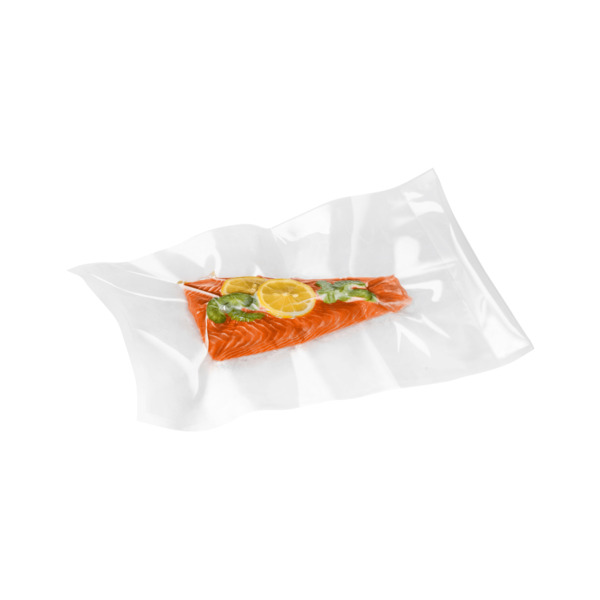
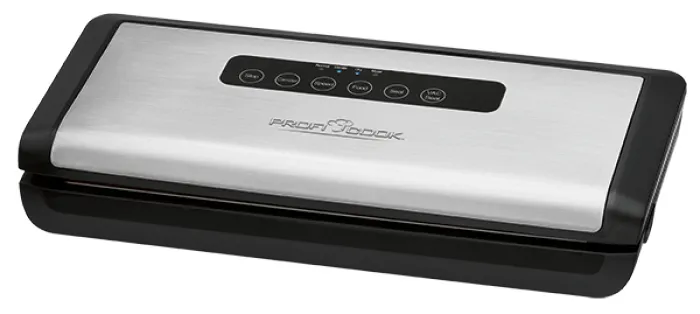
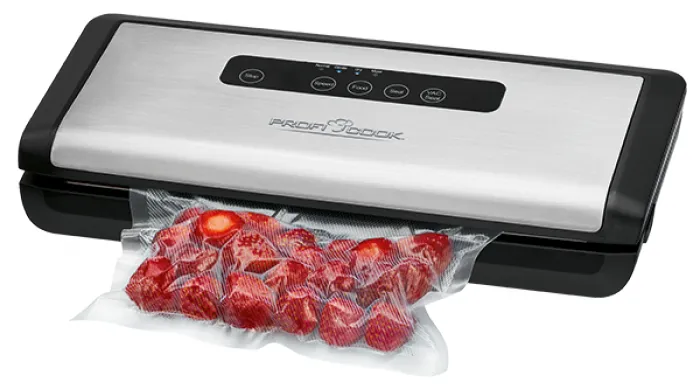
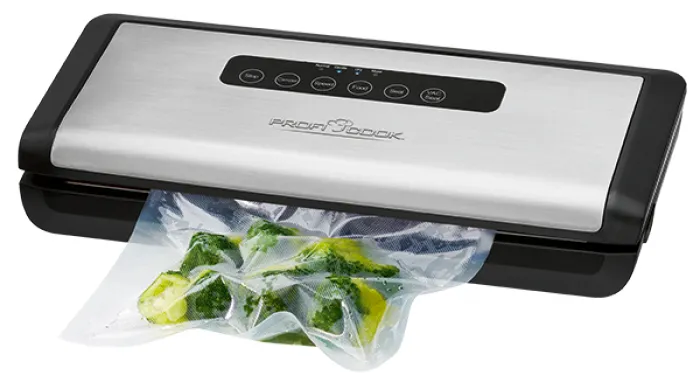
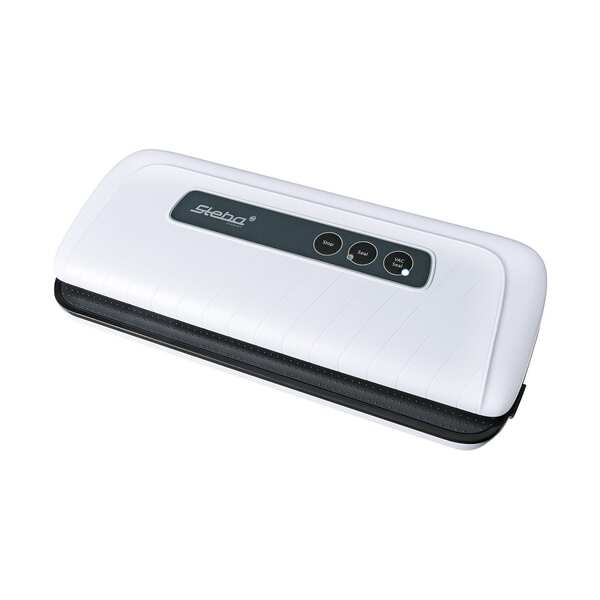
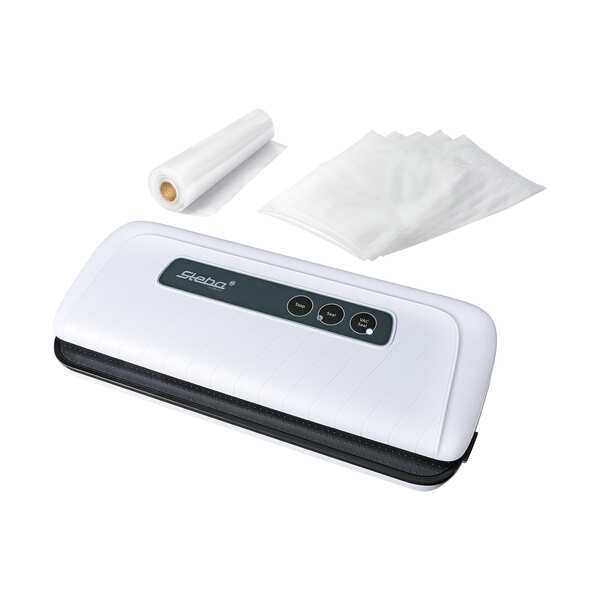
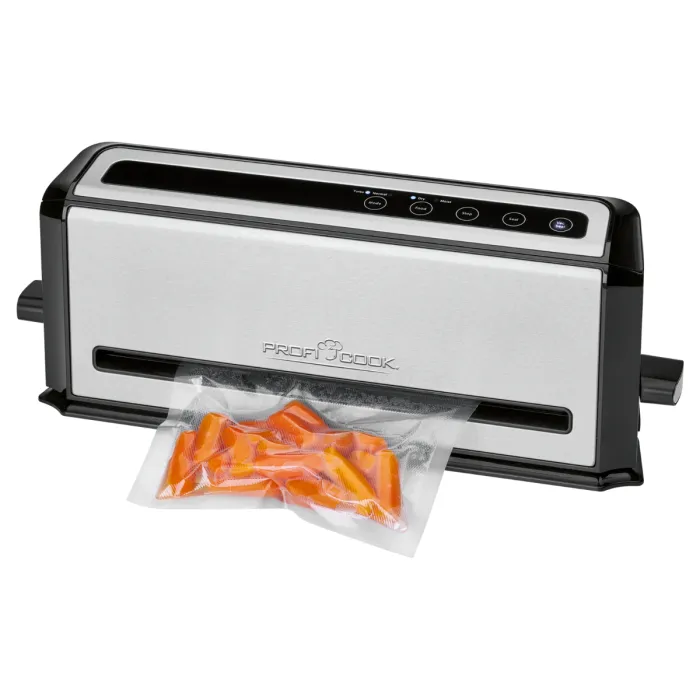
A vacuum sealer is an essential tool for anyone looking to extend the shelf life of food and minimize waste. By removing air from the packaging, it prevents oxidation and freezer burn, keeping food fresh up to five times longer than traditional storage methods. It is also a vital companion for sous vide cooking, ensuring perfect heat transfer and flavor infusion.
What features should you look for in a vacuum sealer?
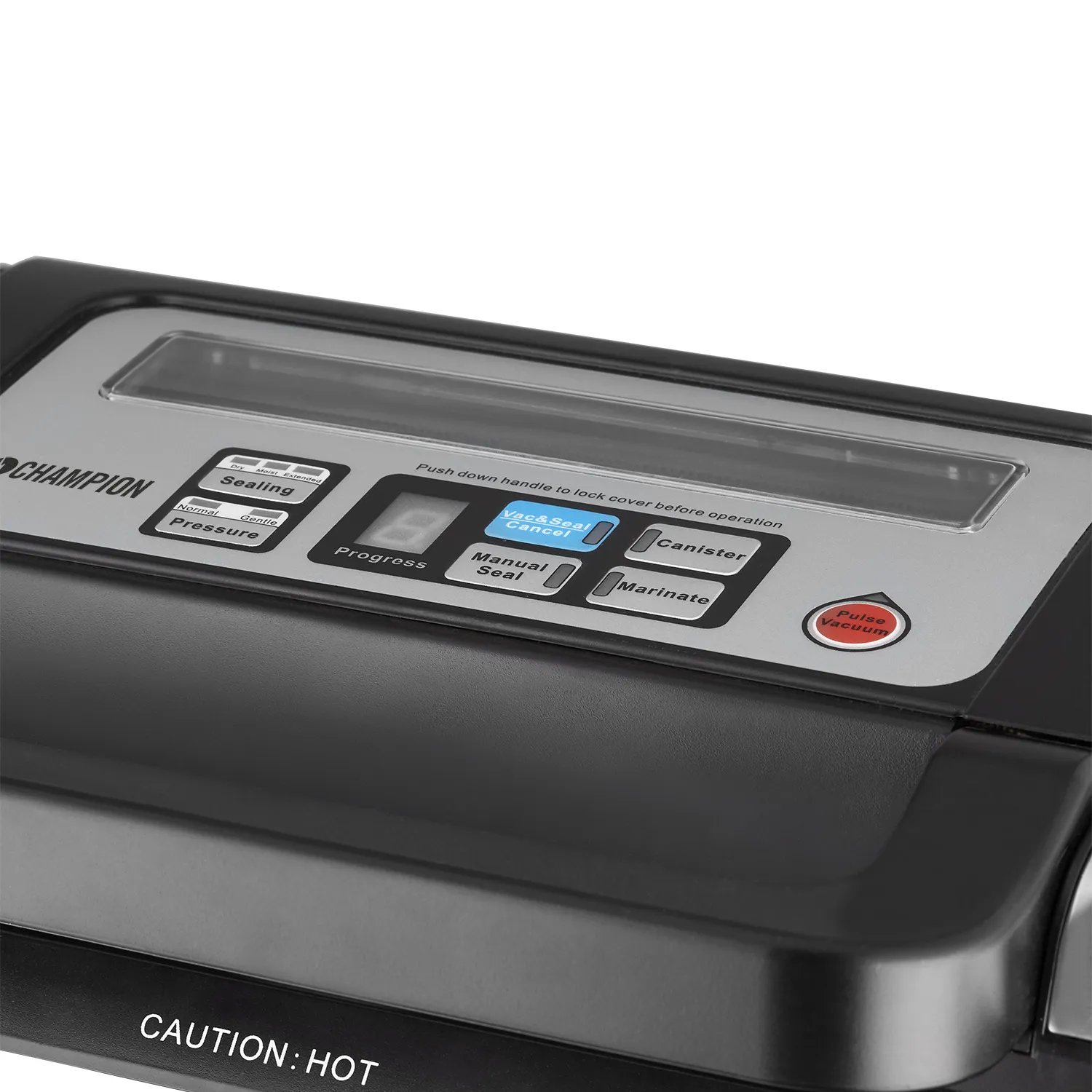
- Moisture Modes: Dedicated settings for dry and moist foods ensure a perfect seal even when packing juicy meats or fish.
- Pulse Function: Allows you to manually control the vacuum pressure, protecting delicate items like berries or pastries from being crushed.
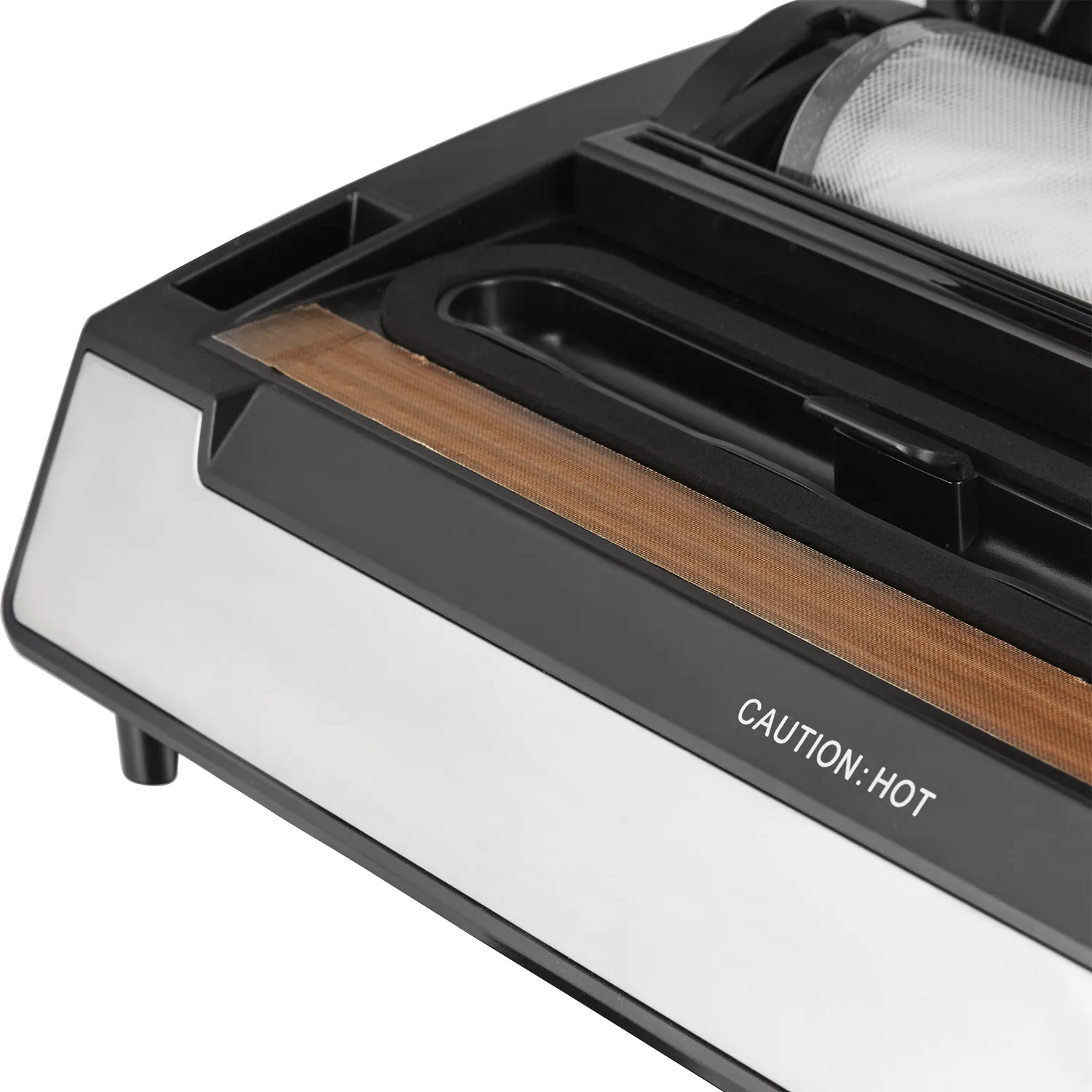
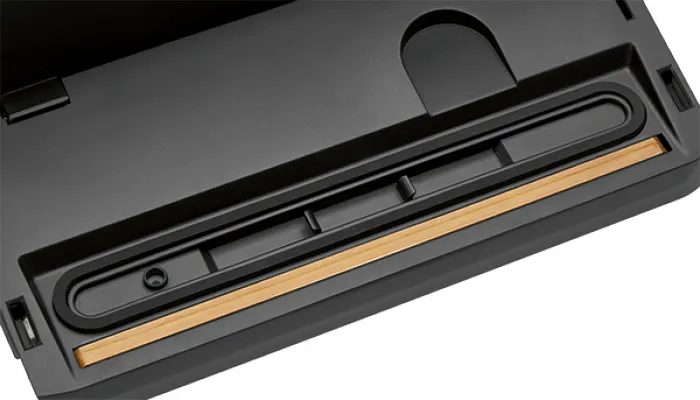
- Dual Seal Technology: Provides a wider or double seal for extra security, preventing leaks in the freezer or during water bath cooking.
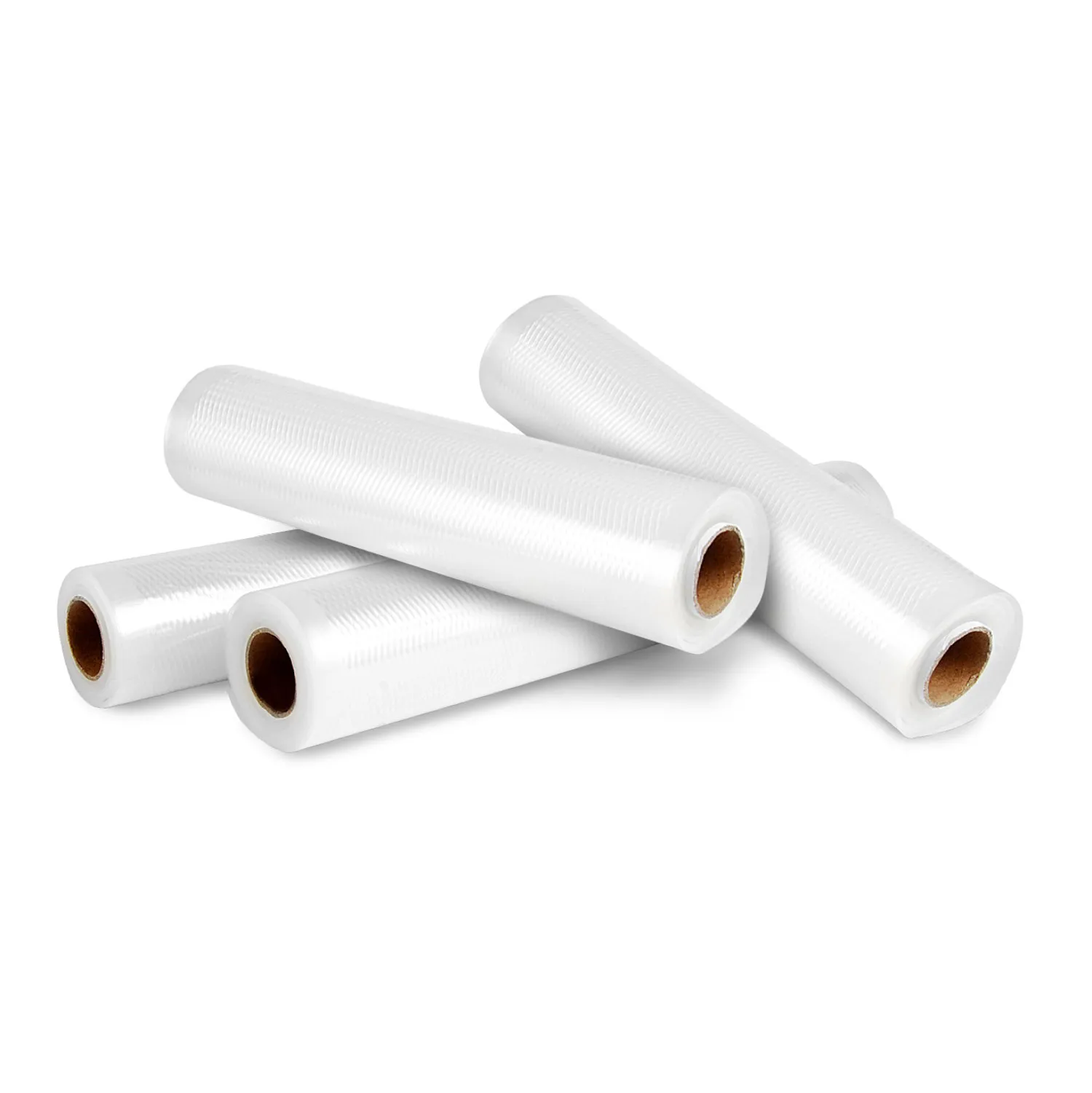
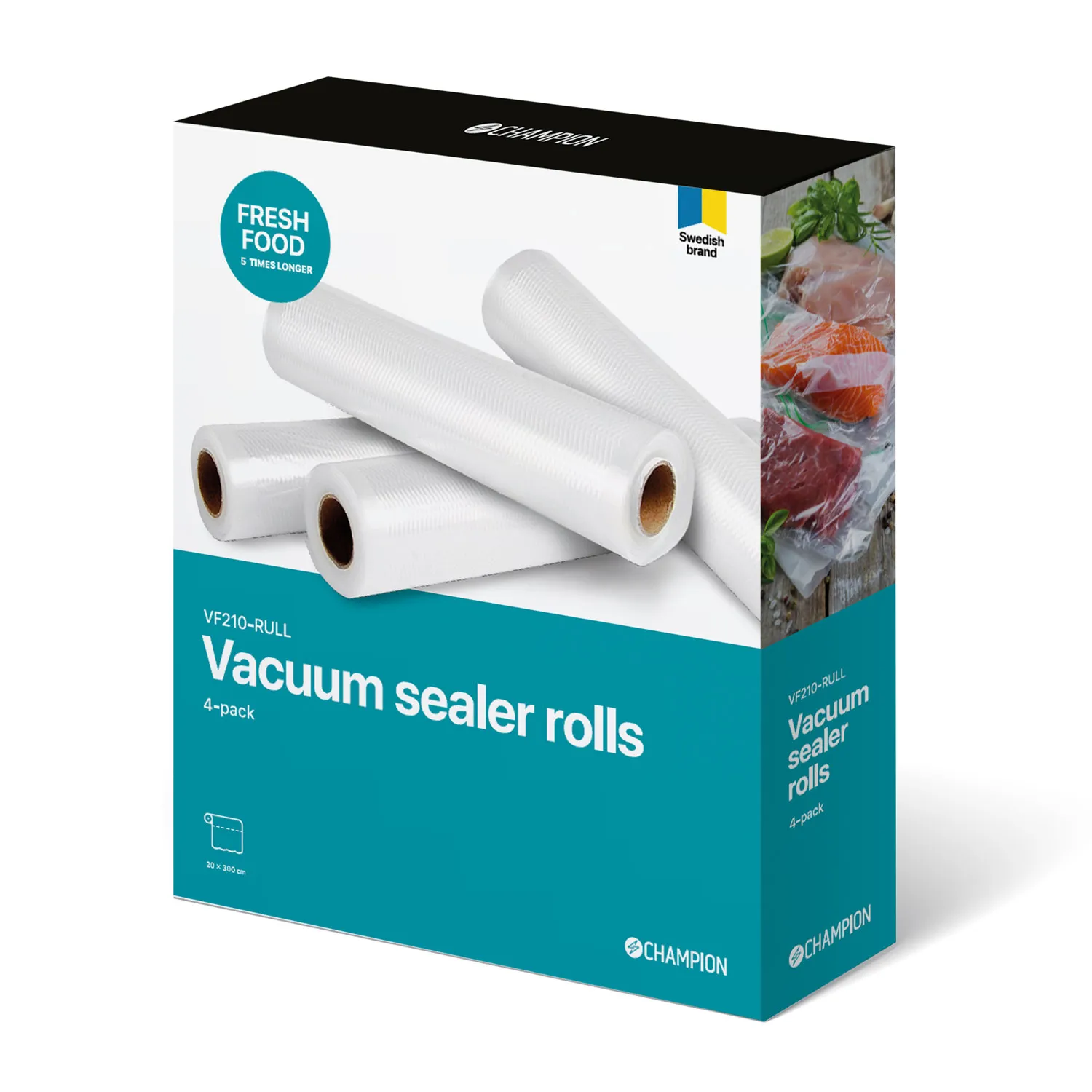
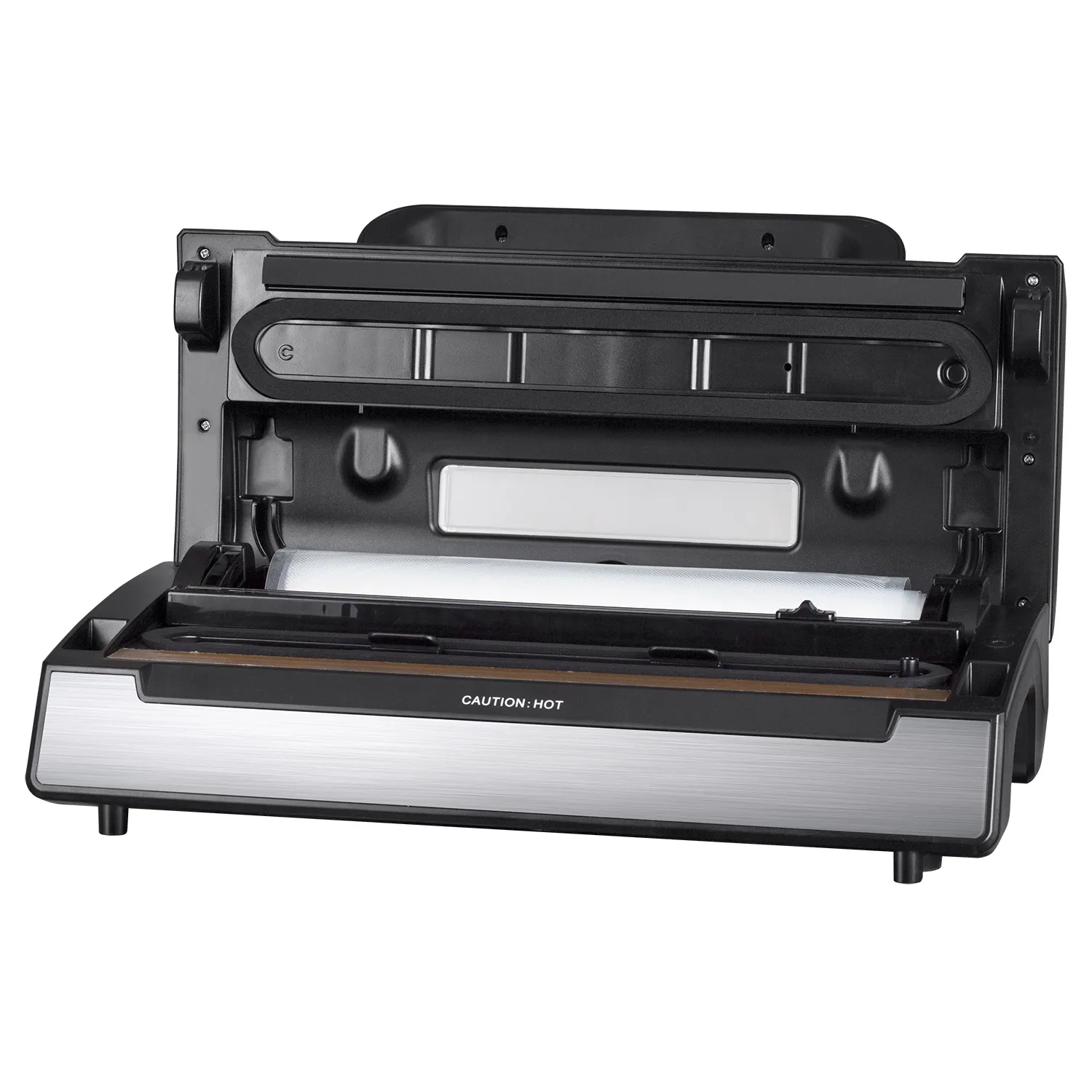
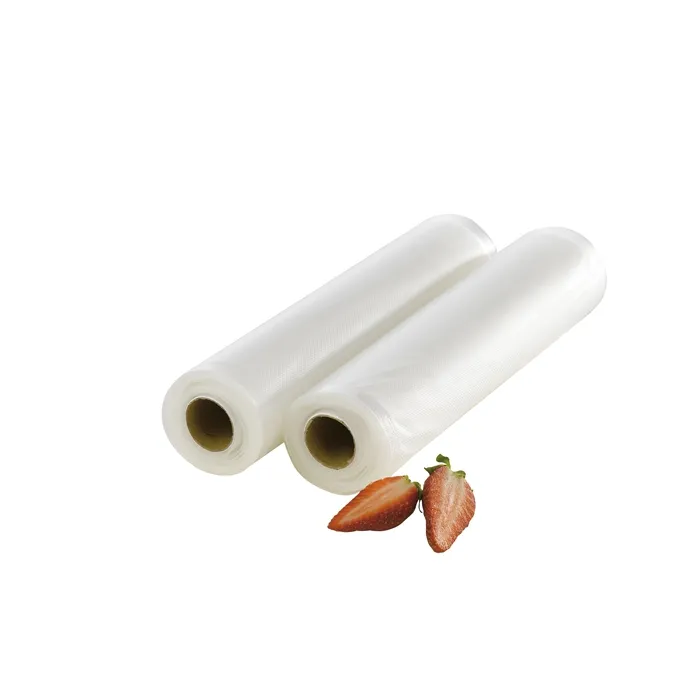
- Built-in Cutter: Makes it easy to create custom-sized bags from rolls, reducing plastic waste and saving time.
Frequently Asked Questions (FAQ)
Which foods are best suited for vacuum sealing?
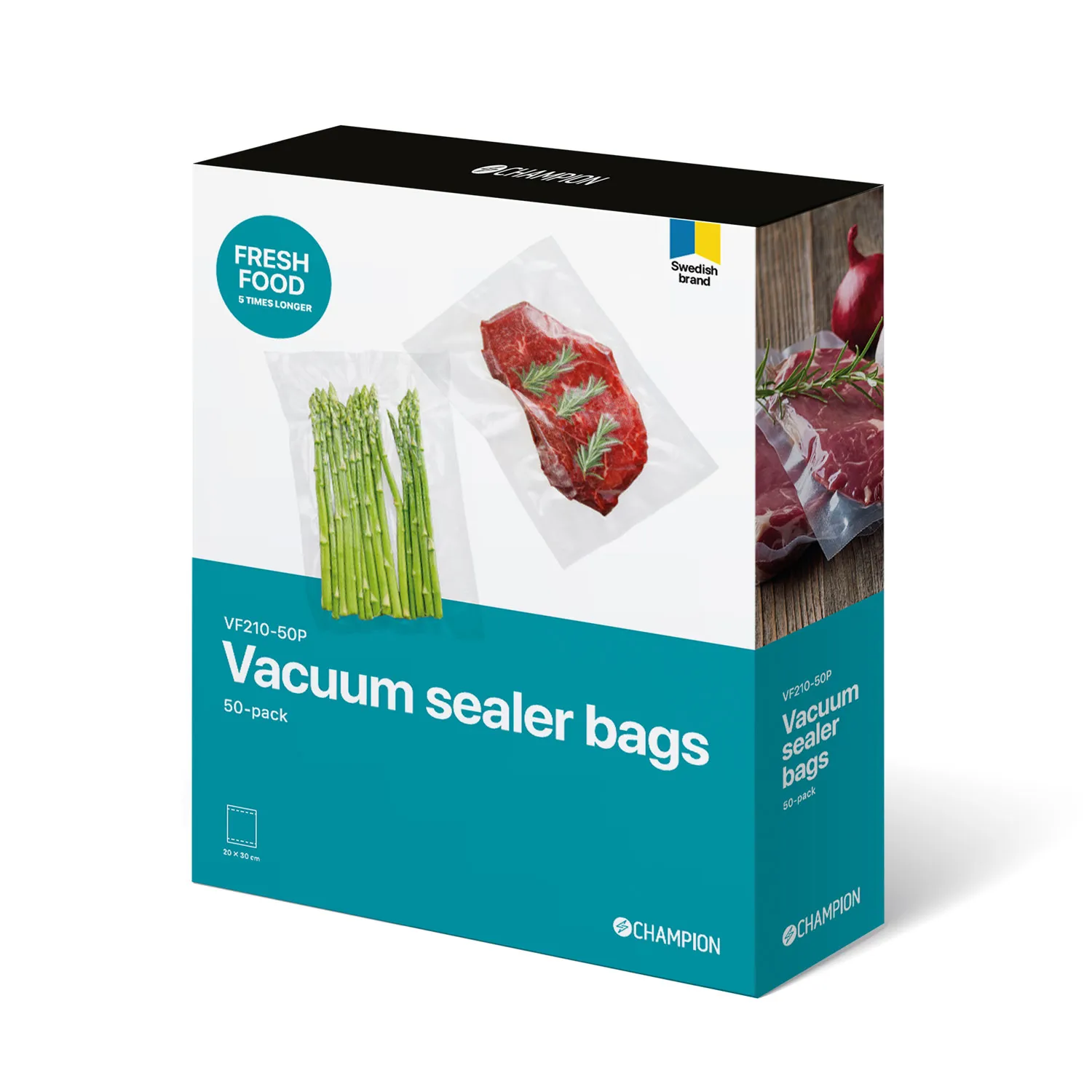
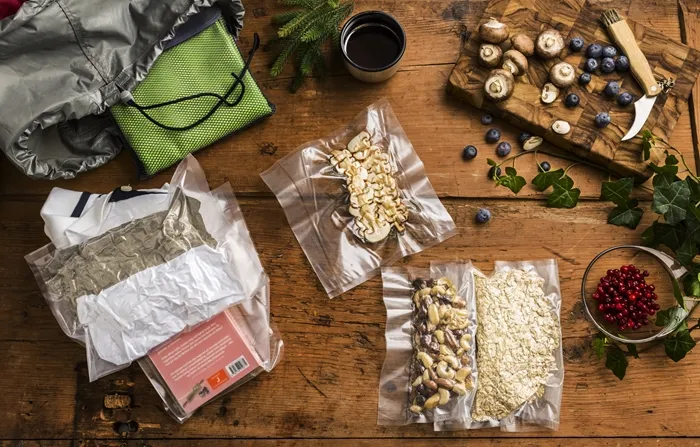
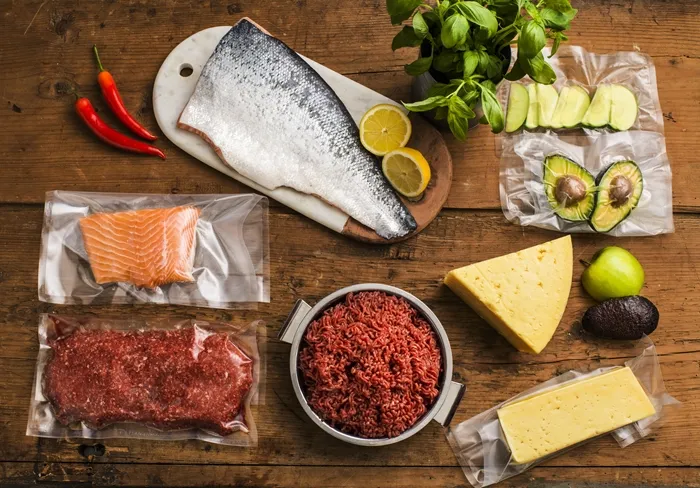
Meat, fish, cheese, and vegetables all benefit greatly. It is also excellent for preserving the aroma of coffee beans or protecting dry pantry staples from moisture.
Can vacuum sealer bags be reused?
Yes, high-quality bags can be washed and reused, especially after storing dry goods or vegetables. However, bags used for raw meat or fish should be discarded for hygiene reasons.
How does vacuum sealing speed up marinating?
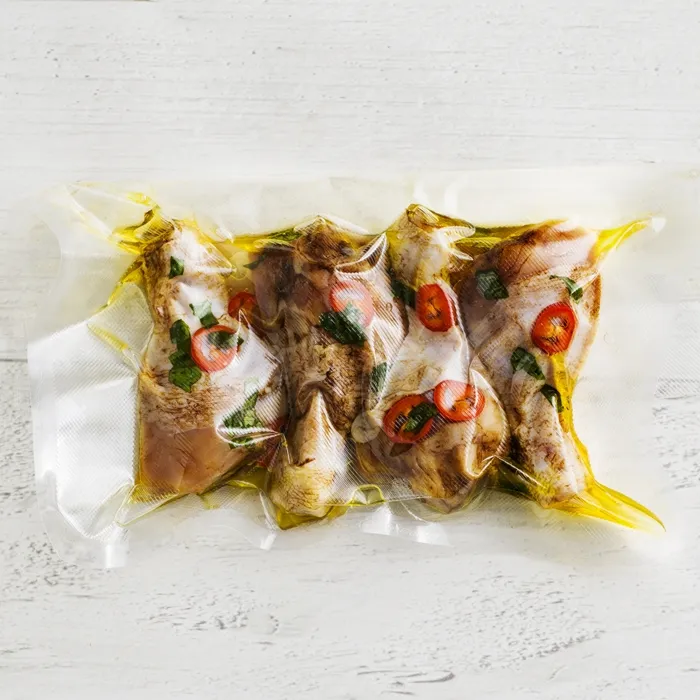
The vacuum process opens up the fibers of the meat, allowing marinades to penetrate deeply in minutes rather than hours.
Do I need special bags for vacuum sealing?
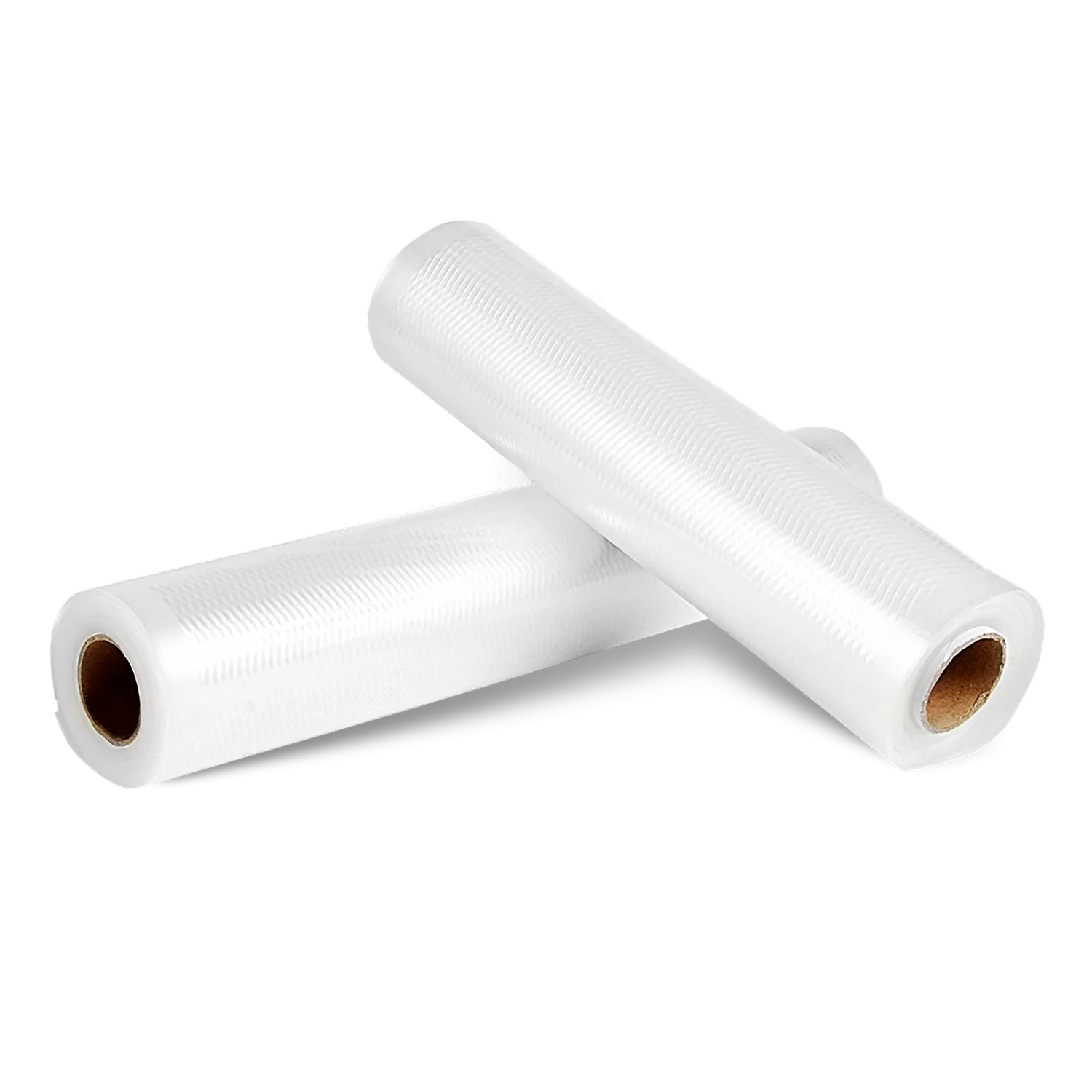
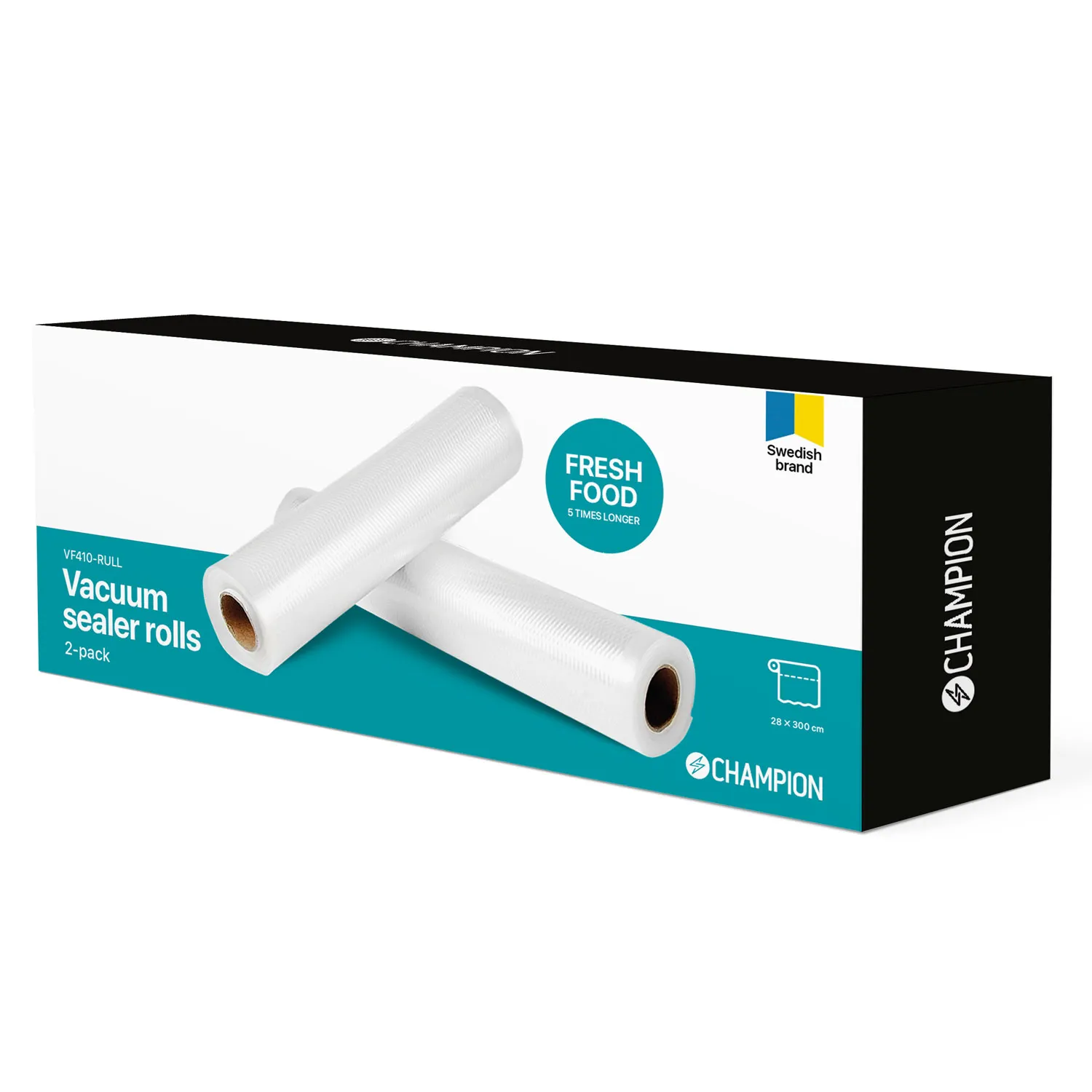
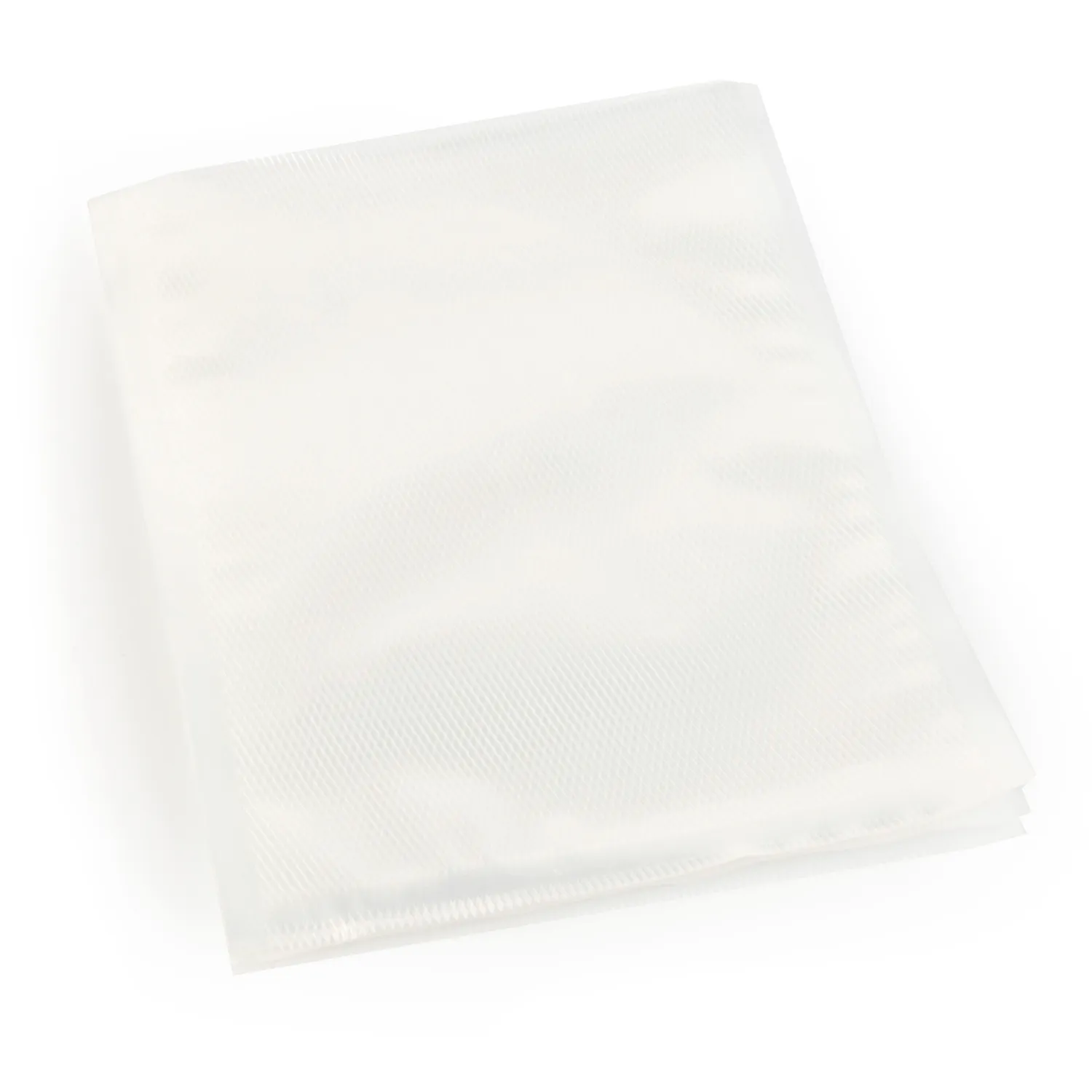
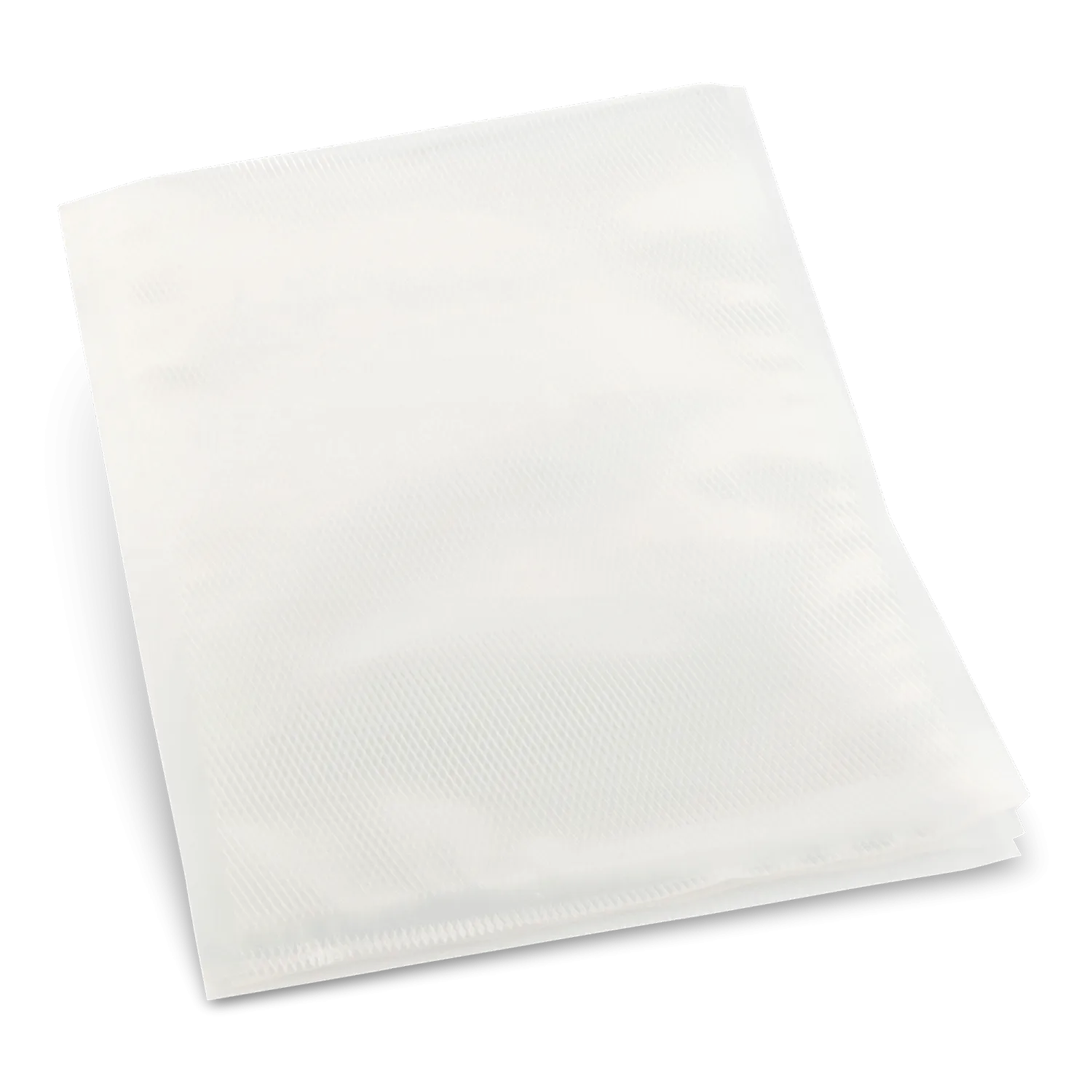
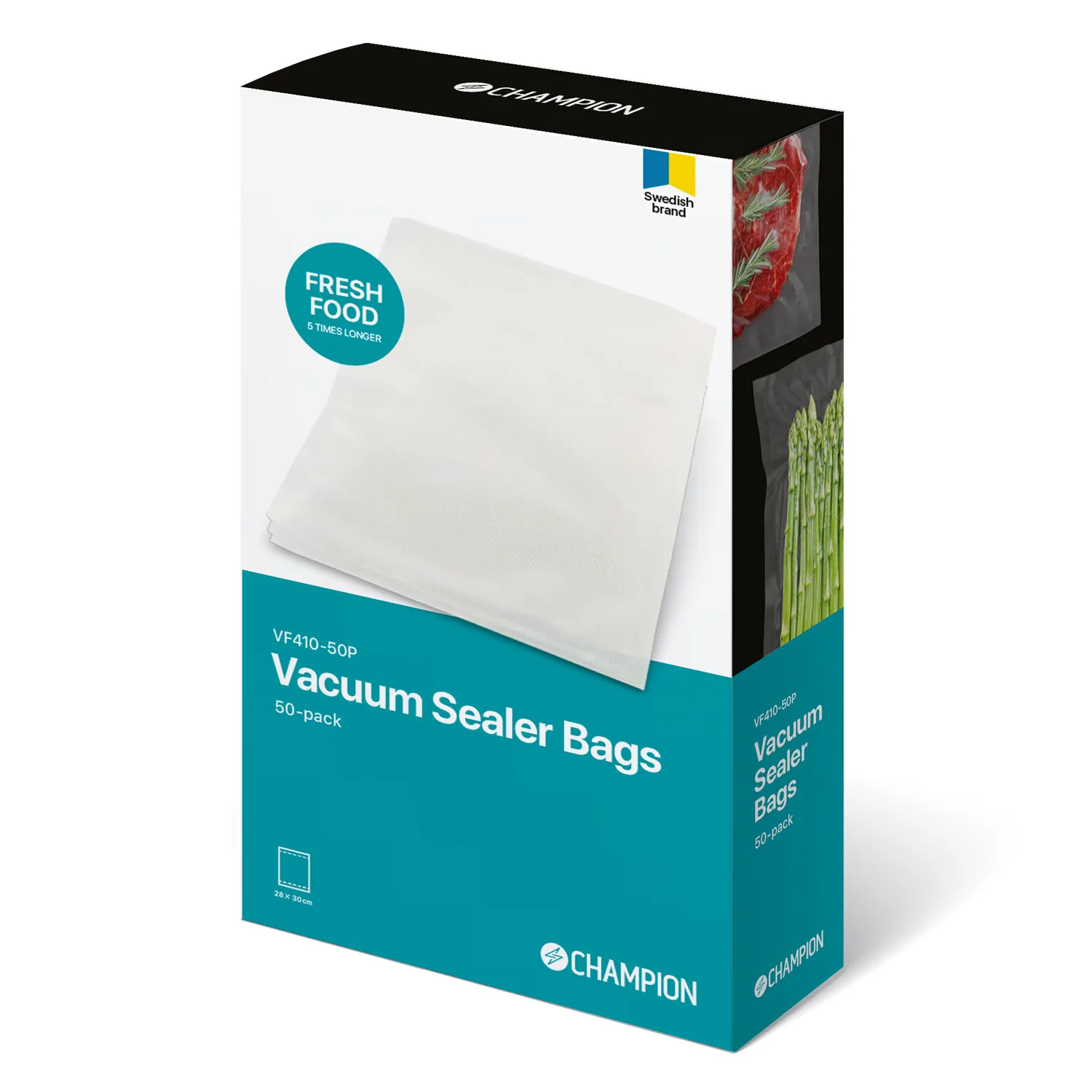
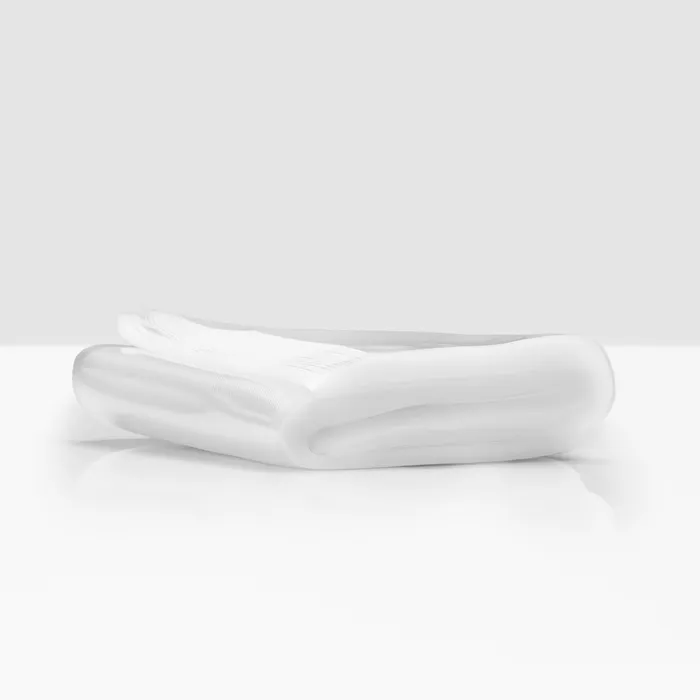
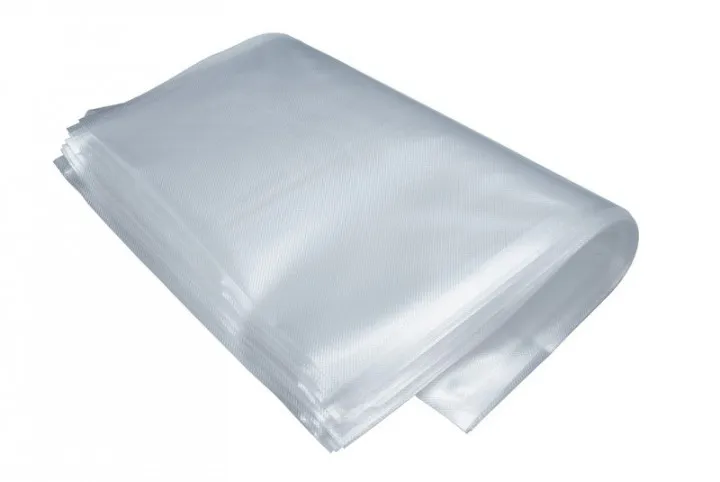
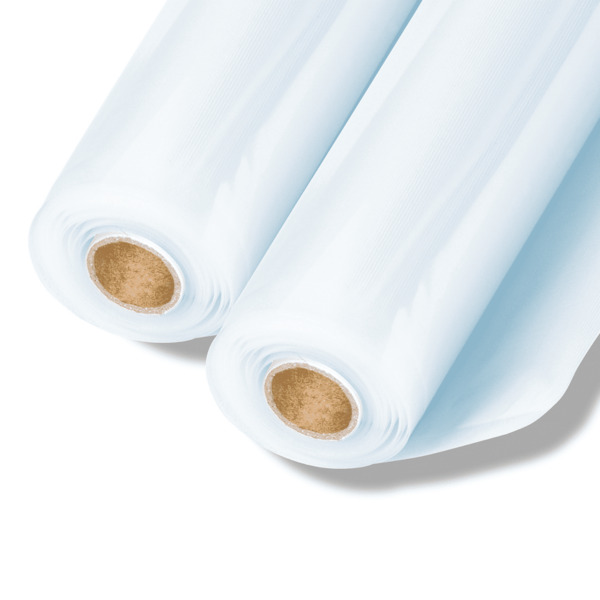
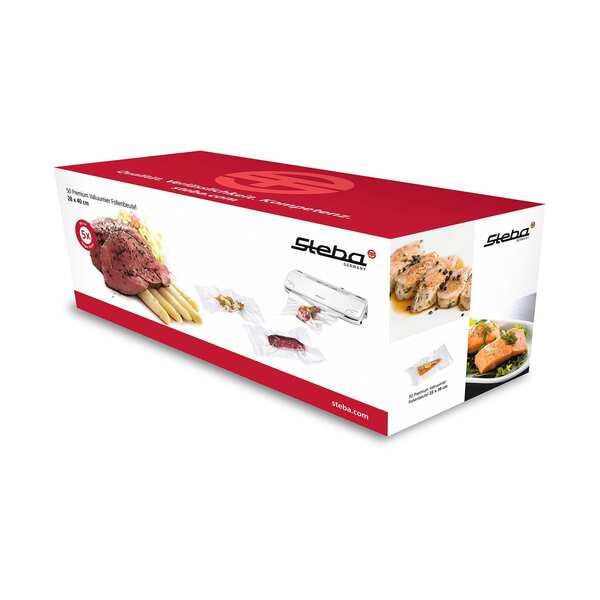
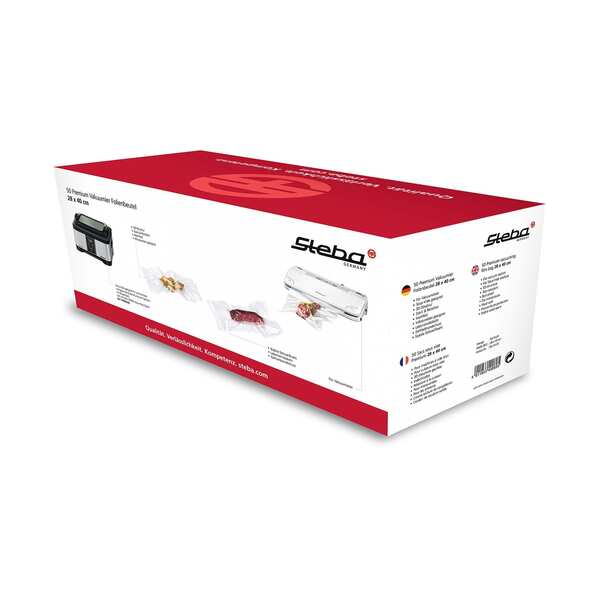
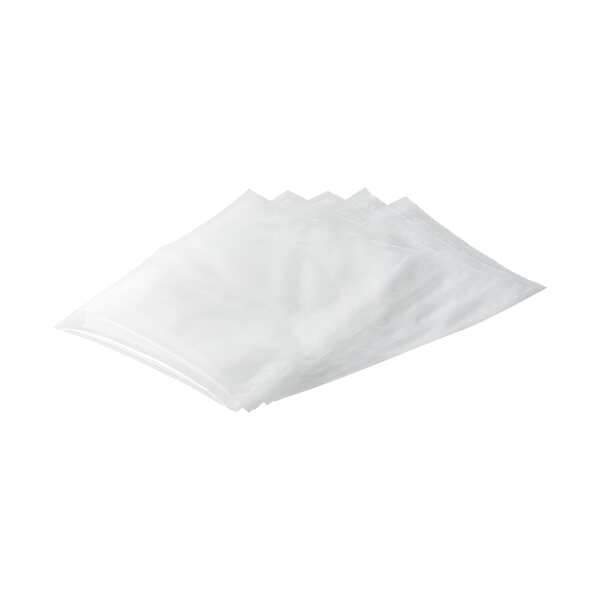
Yes, most home sealers require embossed or channeled bags. Standard smooth freezer bags will not allow the machine to extract air effectively.